
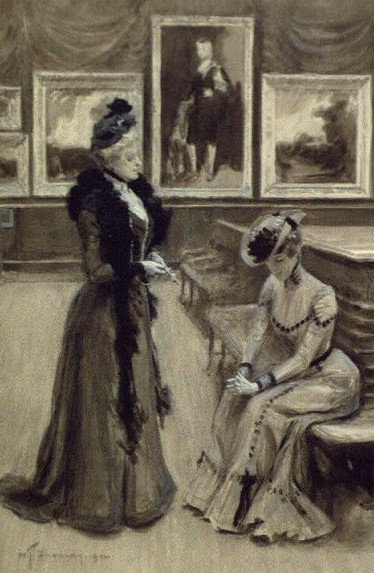
Even Edith Wharton had to deal with critics. In her case, since she wrote about “Fashionable New York,” they primarily wanted to know which of her characters was which real person.
This was irritating.
But that comes with the territory when one has been lucky enough to get a book published and reviewed. People will say things; some nice, some confusing, many irritating.
Wharton counseled not worrying about it:
I long ago made up my mind that it is foolish and illogical to resent even such a puerile form of criticism. If one has sought the publicity of print, and sold one’s wares in the open market, one has sold to the purchasers of one’s books the right to think what they choose about them; and the novelist’s best safeguard is to try to put out of his mind the quality of the praise or blame likely to be meted out to him by reviewers and readers, and to write only for that dispassionate and ironic critic who dwells within the breast.
Of course, it’s a little easier to look past silly critiques when you are Edith Wharton.
 Chris Barsanti