Writer’s Desk: Avoid Interruptions

It seems so obvious and yet turns out to be so difficult in practice. Finding a good writing space is one thing. Carving out the time on a regular basis is another. Ensuring an uninterrupted run of minutes and hours is always harder than you think. But without those blocks of time, creating something new is next to impossible.

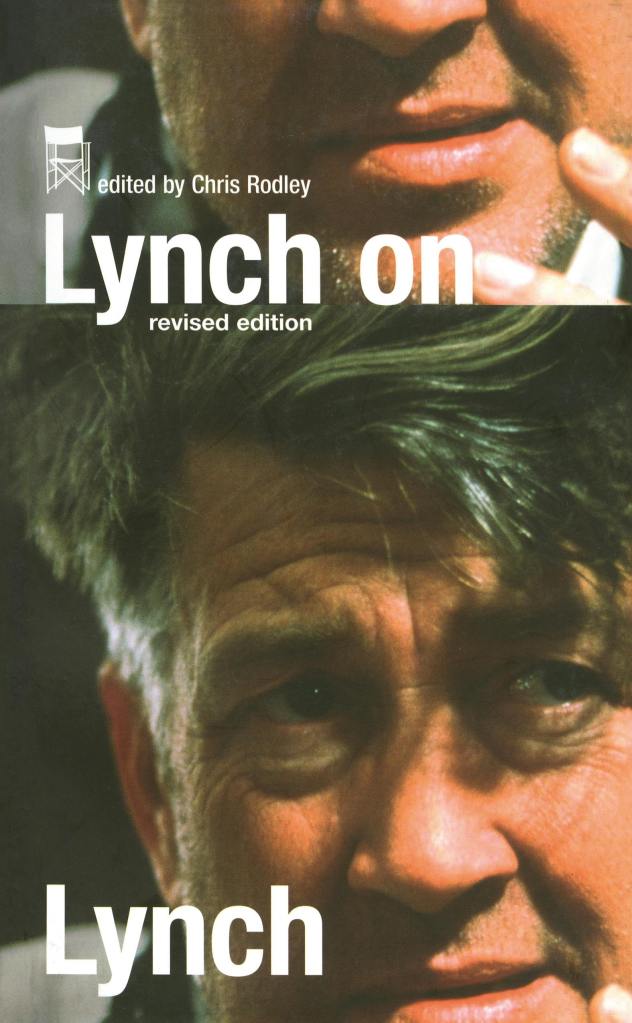
Again, let’s go to David Lynch:

Every interruption just is like a knife stab in the middle of a thought. And you gotta start again. You start again. It’s horrible. These days, there’s interruptions around every corner, almost every second. You have to be somewhat selfish…

And if anybody asks why you are acting so withdrawn, just say that Lynch told you so.
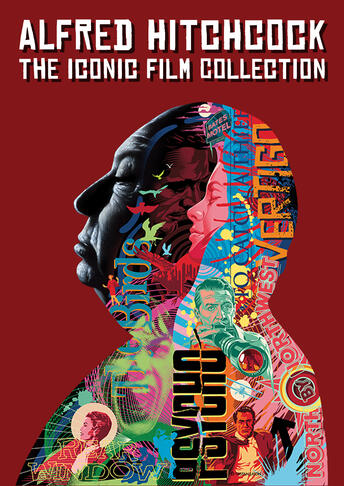
Screening Room: ‘Alfred Hitchcock: The Iconic Collection’

Yep, every one of those films in fully remastered 4K Ultra HD. Plus extras. And a cool bookshelf case.

My review of Alfred Hitchcock: The Iconic Collection is at PopMatters:

Far from lazy, Alfred Hitchcock: The Iconic Film Collection delivers a delectable sampling of the director in the late bloom of his career. These six films—Rear Window (1954), To Catch a Thief (1955), Vertigo (1958), North by Northwest (1959), Psycho (1960), and The Birds (1963)—provide everything from spiffy and urbane romantic crime melodramas to a road-trip espionage thriller, an eerie take on the apocalypse, a chilly study in obsession, and a proto-slasher film. It’s a staggering collection. No other mainstream director ever took on so many genres so successfully and in such a short time…

Screening Room: Best Movies of 2014 – ‘Guardians of the Galaxy’

One of the best, most welcome surprises of 2014 was James Gunn’s first Guardians of the Galaxy. I revisited that as part of a 10-year retrospective at Eyes Wide Open:

There’s a lot to appreciate — and maybe even love — about the original Guardians of the Galaxy. The eager-to-please sprawl of Gen-X references, from Mom’s ’70s pop music mixtape to hero Peter Quill (Chris Pratt, surfer-dude sly) romancing the green-skinned assassin babe Gamora (Zoe Saldana) by referencing the “legend” of Footloose. Banter threaded slyly through the action instead of airdropped in by producers demanding test-screening-approved humor beats. A talking raccoon skilled in jail-breaks and bomb-making. A genocidal villain thwarted by a dance-off. The two-hour running time, practically unheard-of brevity for modern blockbusters. David Bowie’s “Moonage Daydream”. Howard the Duck…

Screening Room: Best Movies of 2014 – ‘Boyhood’

Boyhood (IFC Films)

Now that it’s been 10 years since the first Eyes Wide Open annual movie guide came out, it seemed a good time to look back on what were the most memorable movies of 2014.

My article on Richard Linklater’s achingly poignant Boyhood was published at Eyes Wide Open:

… wobbly at times but still magical in an everyday way. The film follows a quiet and daydream-prone boy, Mason (Ellar Coltrane, likable if sometimes stiff), growing up in Texas with a snarky older sister Samantha (Lorelei Linklater) and divorced parents (Patricia Arquette, Ethan Hawke). There’s no story, per se, it’s just his life from about age 7 to 18. Linklater’s visual scheme is straightforward and shorn of obvious flair; the often affectless dialogue even more so. But that deceptively simple framework is rich with accrued detail and insight…

More pieces on the best of 2014 to follow.

Here’s the trailer:

Screening Room: ‘Jodorowsky’s Dune’

With Dune 2 packing them into theaters, it seemed a good time to lok back at the now 10-year-old documentary, Jodorowsky’s Dune for Eyes Wide Open:

This never-dull if not always believable bull session lets cult filmmaker Alejandro Jodorowsky describe at length his absolutely mad idea for an early adaptation of Dune which never happened. Pavich couldn’t be bothered less with how the money came and went; only the creative vision matters. Given what a gonzo undertaking it all appears to have been (Apocalypse Now looks simple in comparison), that’s probably the right approach for one of film history’s great Could Have Been stories…

Here’s the trailer:

Screening Room: ‘The Great Dictator’

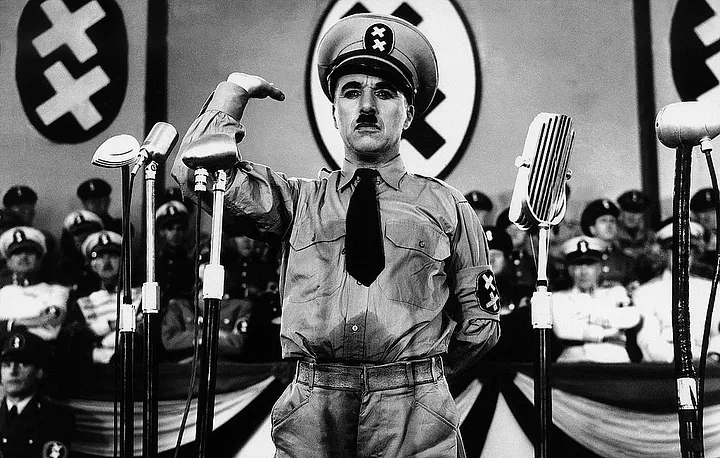
I wrote about Charles Chaplin’s The Great Dictator for Eyes Widen Open. This is an update of a review from a few years back for filmcritic.com about the two-disc Criterion Collection edition.

Review is here:

In the controversial-for-its-time satire The Great Dictator (1940), Charles Chaplin plays both an Adolph Hitler-like dictator and a good-natured Jewish barber who is then mistaken for the dictator. Hijinks and tragedy and speechifying ensue. The movie is not always as funny as it could be and is frequently too innocent for its own good (a common complaint with Chaplin). But imperfect as it is, The Great Dictator might be the peak of Chaplin’s career…

Here’s the trailer, in case you’d like a refresher:

Writer’s Desk: Do the Opposite

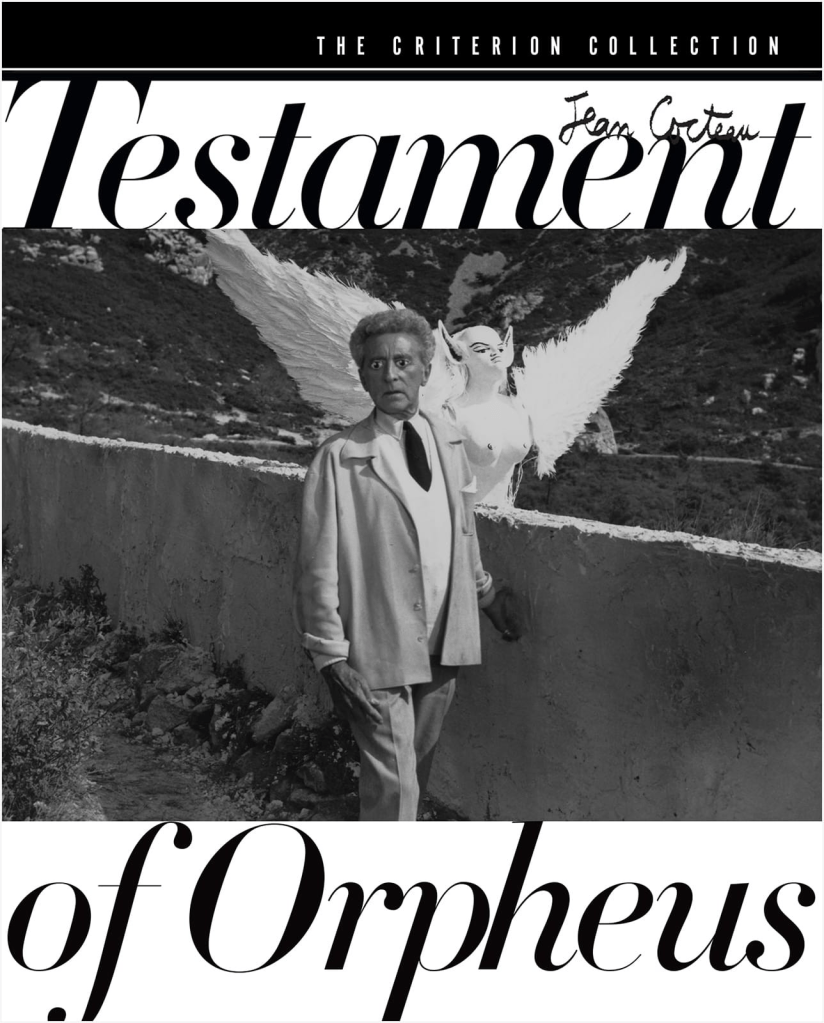
Director, playwright, and poet Jean Cocteau straddled worlds. His movies were like phantasmagorical dreams, his limpid writing flowed like filmstrips. For a few decades, his work defined much of what people meant when they talked about the avant-garde.

In other words, Cocteau was not an artist like most others. Because of that, he had very specific advice for those just starting out in their careers, which applies to writers as much as any artist:

Listen carefully to first criticisms made of your work. Note just what it is about your work that critics don’t like—then cultivate it. That’s the only part of your work that’s individual and worth keeping…

Screening Room: ‘After Hours’

I reviewed the new Criterion Collection release of Martin Scorsese’s low-budget 1985 nightmare comedy After Hours for PopMatters:

Now available in an extras-packed Criterion edition, Martin Scorsese’s somewhat forgotten entry in the One Crazy Night genre, After Hours (1985), has most of its hallmarks but gives the loopiness a spin that’s both eerie and carnivalesque…

Here’s the trailer:

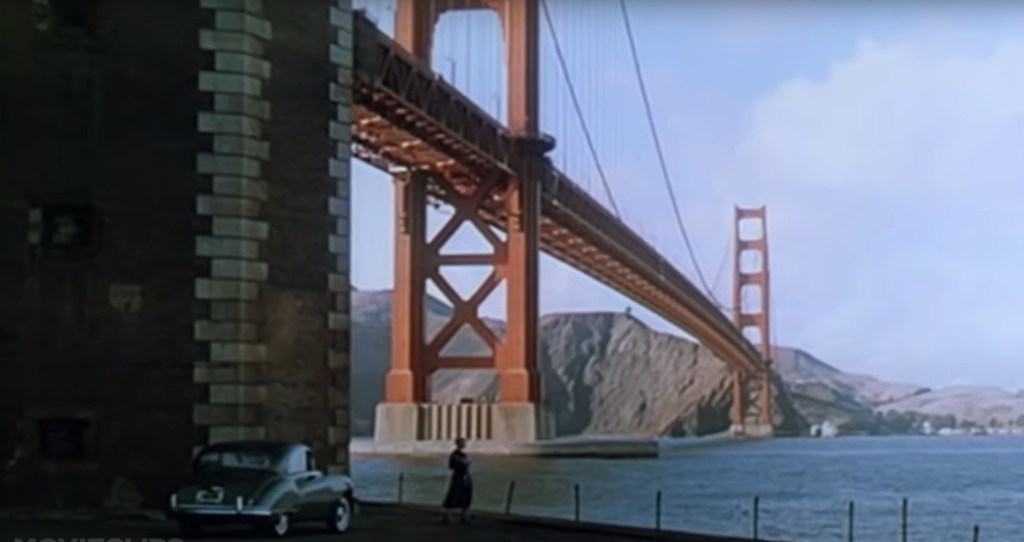
Screening Room: A Remake of ‘Vertigo’?

I wrote a self-explanatory article titled “Please, Please Don’t Remake Vertigo” in response to news about a new version being planned by Robert Downey Jr.

You can read it at Eyes Wide Open:

The real question, though, is not whether a new Vertigo would have value but why make it? Hitchcock was not precious about remakes: He directed two versions of The Man Who Knew Too Much and for good reason: the 1956 version with James Stewart is far superior to the 1934 original. But whereas those films were entertaining variations on a sturdy potboiler plot, Vertigo was something different…

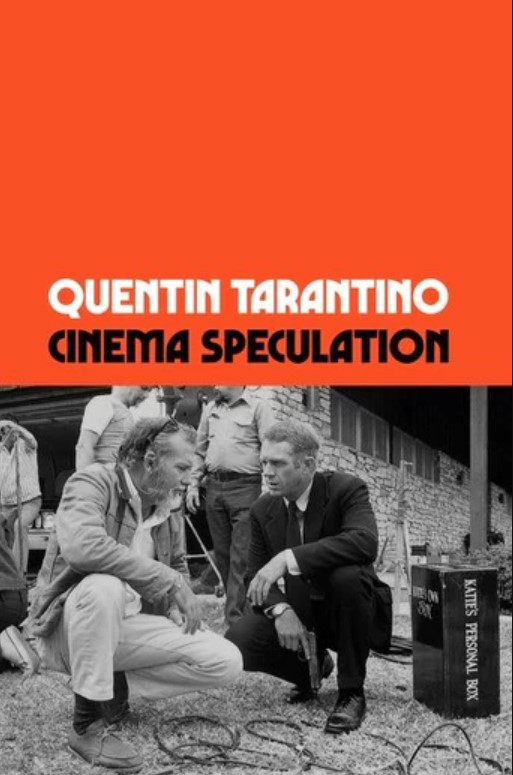
Reader’s Corner: Quentin Tarantino, Author

I wrote about Quentin Tarantino’s new sideline writing books for The Millions:

His first book was 2021’s Once Upon a Time in Hollywood, based on his 2019 film. Released as a mass market paperback and printed on appropriately dubious paper stock, it was made to look like the kind of quick-and-dirty film novelizations that once composed a profitable though semi-disreputable pillar of publishing, complete with back-of-the-book ads. The book is less a novelization than a remix, a self-produced work of fan fiction, or an expansion pack for the Tarantino Cinematic Universe…

Screening Room: ‘The Adventures of Baron Munchausen’

Have you ever seen The Adventures of Baron Munchausen? Whatever the answer, the new Criterion edition provides ample reason to watch it now, whether for the first or fifth time.

My article about the film, and its place in Terry Gilliam’s career, is at PopMatters:

It is not surprising that Terry Gilliam’s film career went up in flames—not just once but on multiple occasions, and not just in flames but in great roaring bonfires that consumed reams of industry trade gossip, millions of dollars, and years of people’s lives. As Monty Python’s animator of lewdly monstrous grotesqueries and generally non-verbal performer, Gilliam was hardly the troupe’s chief troublemaker (that would be Graham Chapman, busier hellraising ala Keith Moon than trying to make films). But Gillian did have an easily detectable rebel streak that signaled poor receptiveness to fussy things like schedules and budgets…

Here is the trailer:

Screening Room: ‘Rio Bravo’

Is Howard Hawks’ Rio Bravo pretty much a perfect Western? I wrote about it at Eyes Wide Open:

In 1958, after decades of directing hits like Gentlemen Prefer Blondes and To Have and Have Not, Howard Hawks was in bad shape. Nursing the wounds incurred by his ill-judged directing of the epic flop Land of the Pharaohs (1955), he had exiled himself from Hollywood to Europe. Casting about for a project to bring him back into the game, he seized on a smart new Western script by Leigh Brackett and Jules Furthman, who had also penned The Big Sleep for Hawks. Loaded with the witty dialogue he was known for and enough material for two or three lesser movies, it seemed like an easy bet…

Here’s the trailer:

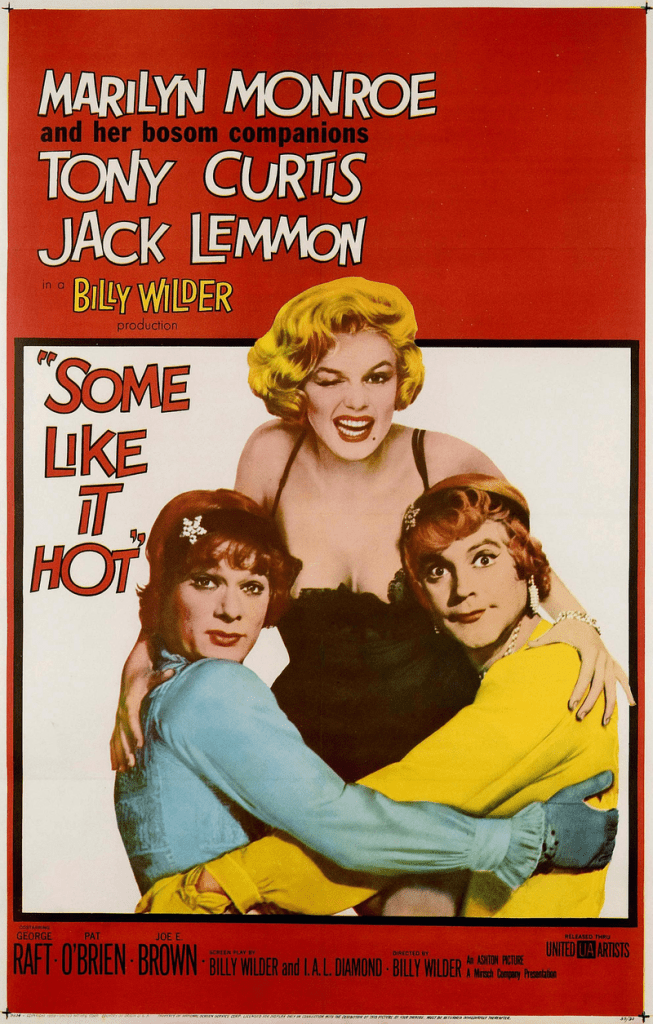
Writer’s Desk: Billy Wilder’s Rules

After Cameron Crowe failed to convince director Billy Wilder (Some Like It Hot, The Apartment, Sunset Blvd., too many other classics to mention) to play a small role in Jerry Maguire, the two struck up a friendship. That turned into a series of conversations. That turned into a book.

That book contained Wilder’s rules for writing. They mostly involve getting attention, not letting up, and then grabbing people’s attention again. He specifies it’s for screenwriting specifically, but many if not all apply to most any kind of fiction:

  • 1: The audience is fickle.
  • 2: Grab ’em by the throat and never let ’em go.
  • 3: Develop a clean line of action for your leading character.
  • 4: Know where you’re going.
  • 5: The more subtle and elegant you are in hiding your plot points, the better you are as a writer.
  • 6: If you have a problem with the third act, the real problem is in the first act.
  • 7: A tip from Lubitsch: Let the audience add up two plus two. They’ll love you forever.
  • 8: In doing voice-overs, be careful not to describe what the audience already sees. Add to what they’re seeing.
  • 9: The event that occurs at the second act curtain triggers the end of the movie.
  • 10: The third act must build, build, build in tempo and action until the last event, and then — that’s it. Don’t hang around.