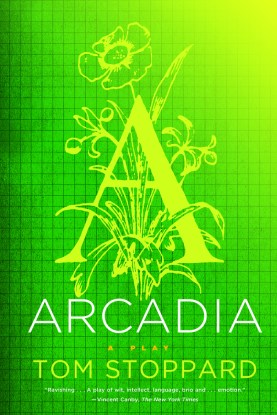
This week, Tom Stoppard (Arcadia, Rosencrantz and Guildenstern are Dead) won the David Cohen prize for a lifetime’s achievement in literature. The reaction of the 80-year-old playwright, per The Guardian:
“Winning a lifetime achievement award, one’s first thought is: ‘Surely not yet.’ And one’s second is: ‘Just in time, mate’ …
Stoppard also had a few thoughts about his legacy:
History is full of the names of writers who at one time seemed to be permanently established and who slowly disappeared from view. I’ll absolutely own up to writing for the present and for posterity – but as Lytton Strachey said: ‘What has posterity ever done for me?’”
‘The Burning of the Library at Alexandria in 391 AD’ by Ambrose Dudley, c.1910 (The Stapleton Collection)
In Tom Stoppard’s masterful 1993 play Arcadia, a young woman is overwhelmed by an existential grief after reading of the destruction of antiquity’s great library of Alexandria:
…can you bear it? All the lost plays of the Athenians! Two hundred at least by Aeschylus, Sophocles, Euripides — thousands of poems — Aristotle’s own library! … How can we sleep for grief?
In response, her tutor tries to remind her that in the end, nothing can be lost, regardless of the calamity, because that’s not how life works:
By counting our stock. Seven plays from Aeschylus, seven from Sophocles, nineteen from Euripides, my lady! You should no more grieve for the rest than for a buckle lost from your first shoe…
We shed as we pick up, like travellers who must carry everything in their arms, and what we let fall will be picked up by those behind. The procession is very long and life is very short. We die on the march. But there is nothing outside the march so nothing can be lost to it. The missing plays of Sophocles will turn up piece by piece, or be written again in another language. Ancient cures for diseases will reveal themselves once more. Mathematical discoveries glimpsed and lost to view will have their time again. You do not suppose, my lady, that if all of Archimedes had been hiding in the great library of Alexandria, we would be at a loss for a corkscrew?

 This week, Tom Stoppard (Arcadia, Rosencrantz and Guildenstern are Dead) won the David Cohen prize for a lifetime’s achievement in literature. The reaction of the 80-year-old playwright, per The Guardian: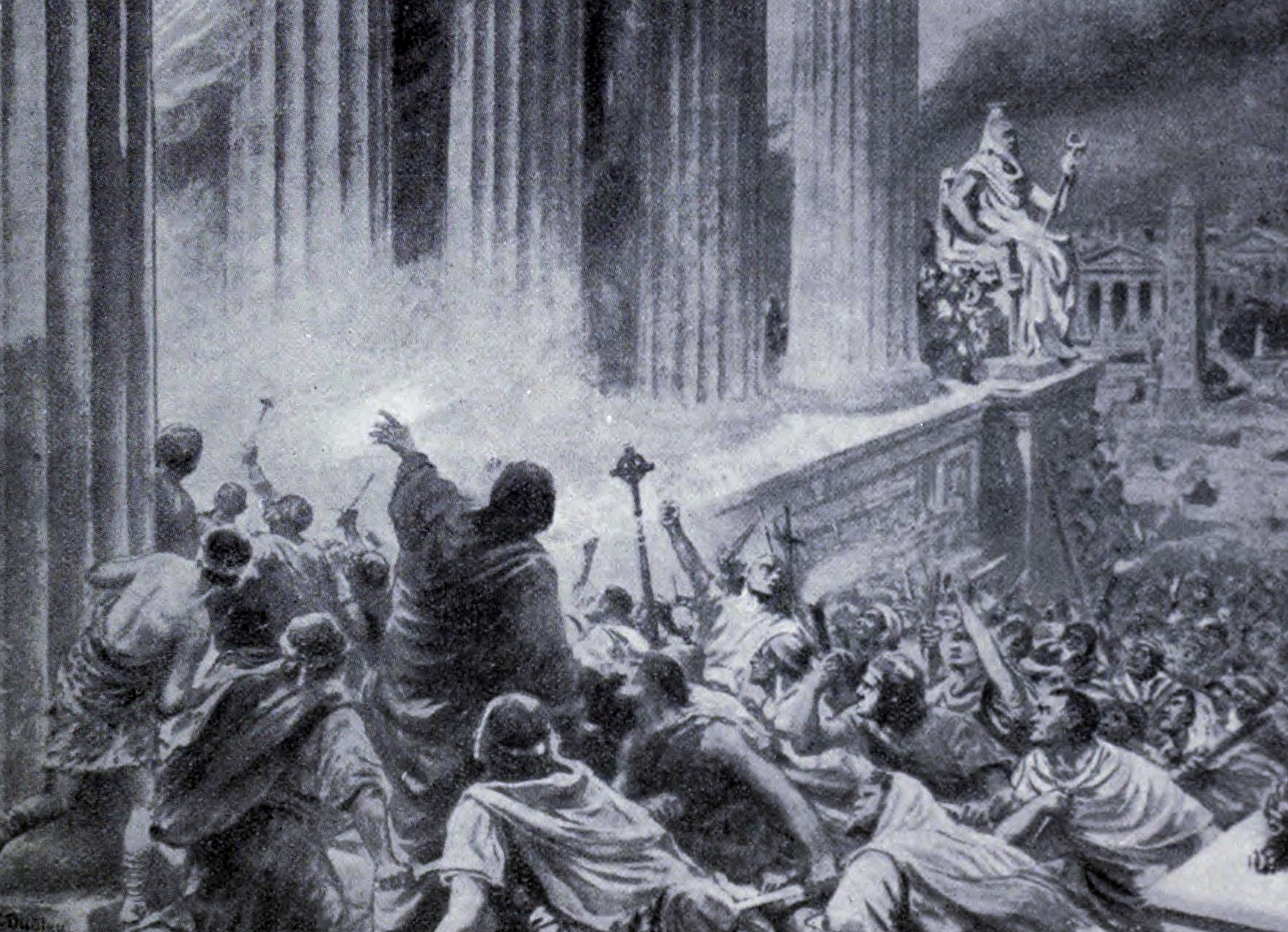

 Chris Barsanti
You must be logged in to post a comment.