My round-up of four fascinating new graphic novels just ran in the Minnesota Star-Tribune:
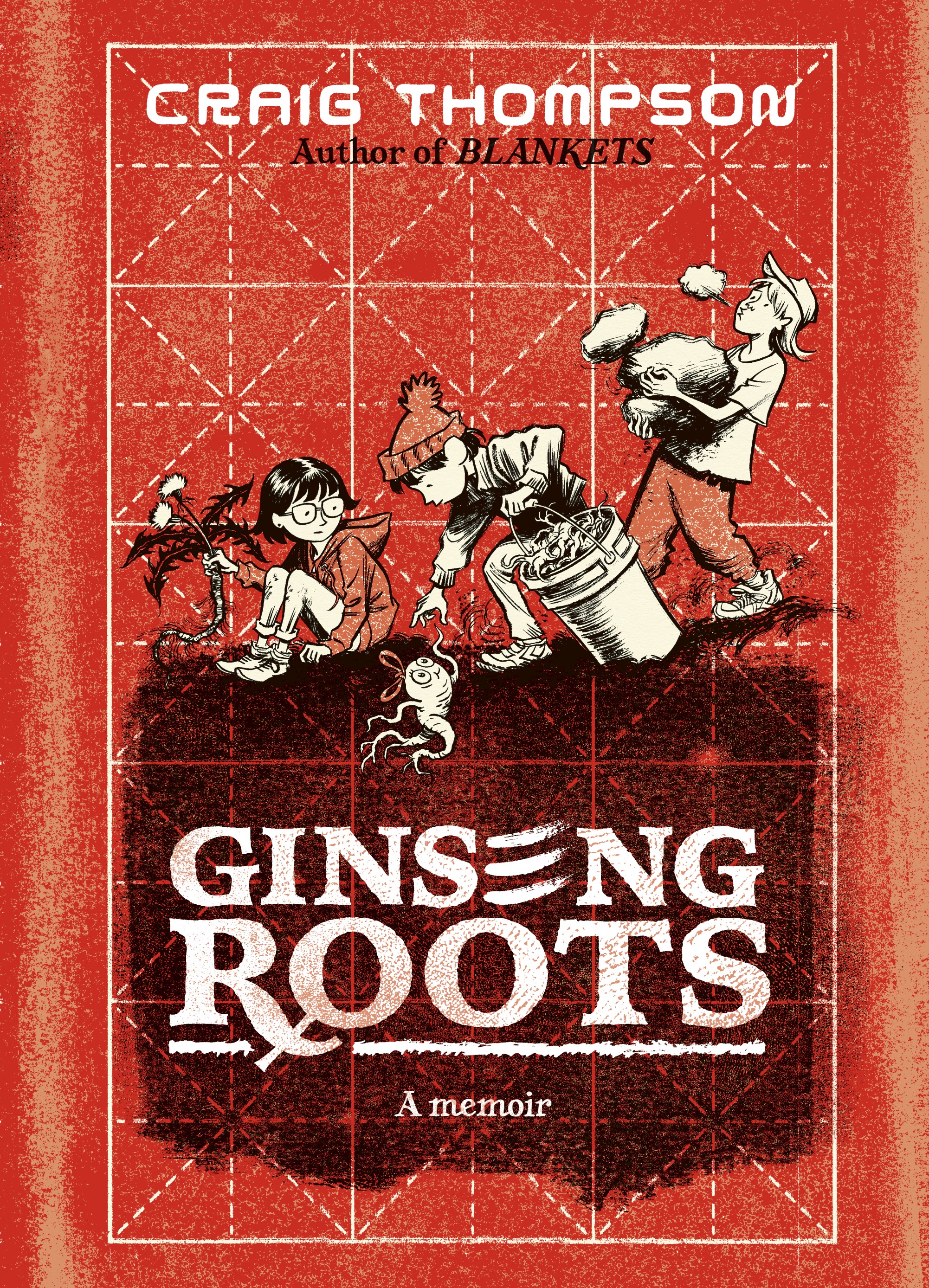
Four new graphic novels cover a gamut of subjects, from a serious-minded study of Charles M. Schulz’s artistic legacy to the quiet, creatively turbulent life of Jane Austen and a pair of memoirs, one about a trauma-haunted love life and the other about growing up in Wisconsin’s ginseng capital…
For the second year in a row, the top spot on PW’s annual graphic novel critics poll is shared by two titles. The debut graphic memoir Feeding Ghosts by Tessa Hulls (MCD) and the graphic novel Victory Parade by Leela Corman (Schocken) both received a total of five votes from PW’s panel of 11 critics. These powerful works, while distinctive in style, are remarkably similar in theme, with both delving into the inheritance of trauma across generations, particularly depicted through the fraught dynamics of mothers and daughters…
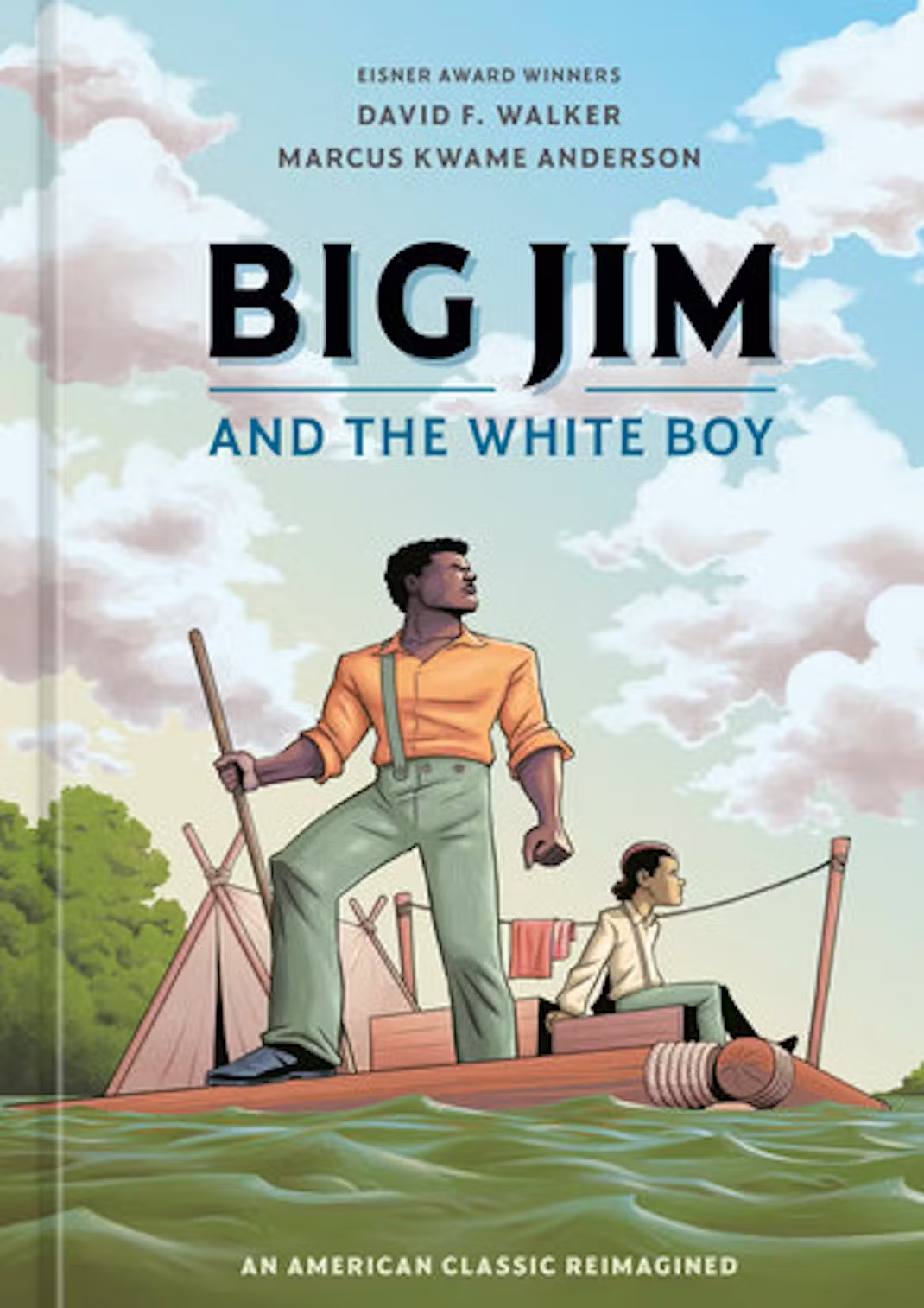
Four new graphic novels showcase a range of approaches and subjects, from deadpan horror comedy to a subversive retelling of an American classic, a fantasy adventure about a magical world next to our own and an odds-and-ends collection from an American master that is more than the sum of its parts…
These four graphic novels tell compelling stories, from a girl navigating life’s chaos through horror comics to a compilation of often misunderstood comic strips and from the meta-comedic struggles of a compulsively self-referential novelist to a frank memoir of historical trauma and familial re-connection…
Publishers Weekly‘s annual critics poll of the year’s best graphic novels came out today. I was one of the lucky contributors who put in their two cents. Happily, some of my favorites made the cut, such as:
If you think graphic novels tend to focus on people who get superpowers from spider bites or radioactive experiments gone wrong, think again.
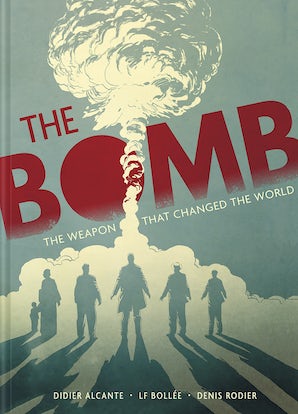
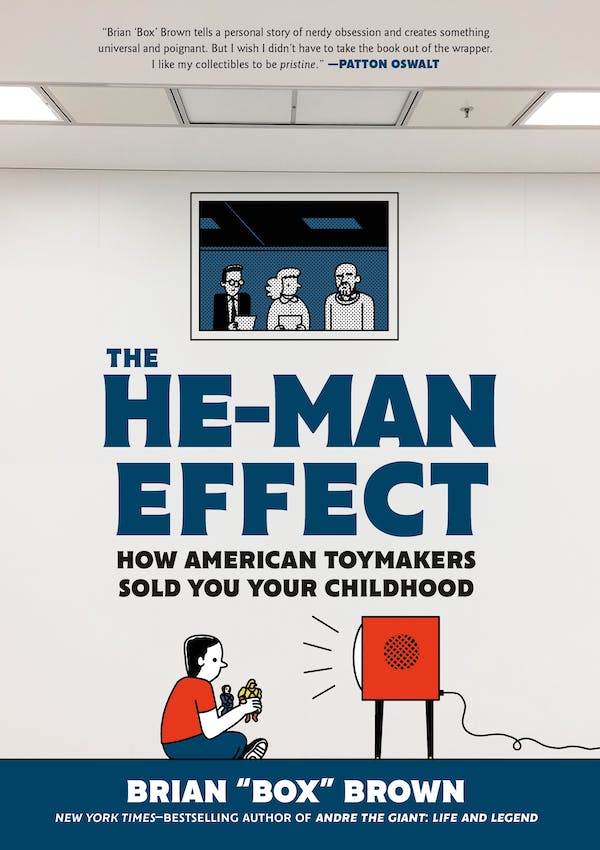
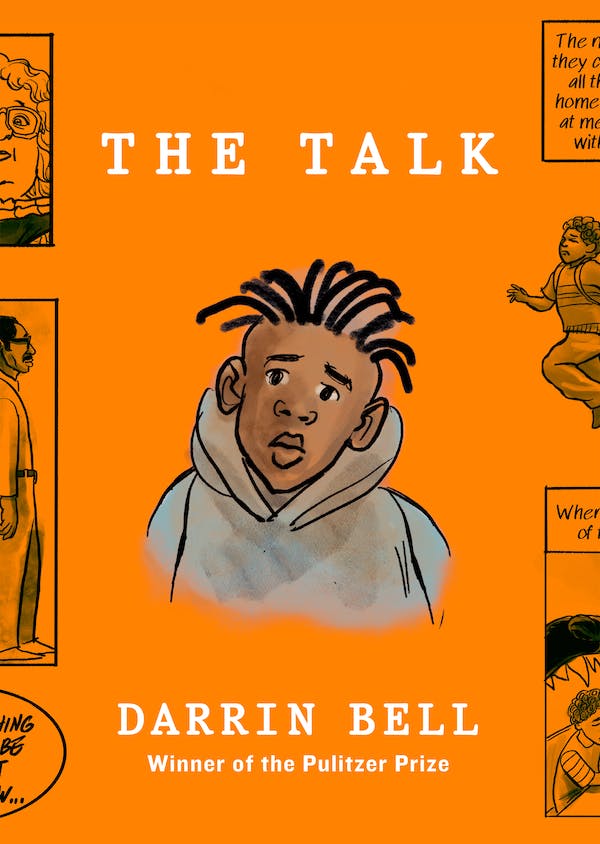
Four of this summer’s best graphic novels cover topics as wide-ranging as the sexual exploits of writer Anaïs Nin, “the talk” Black parents have with their kids in an attempt to keep them safe, the race to build an atomic bomb and, OK, super-heroic He-Man. The illustration styles are as varied as the subject matter of these four titles…
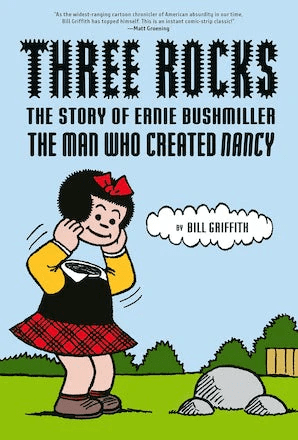
I interviewed Zippy the Pinhead creator Bill Griffith about his new book on the mastermind behind the comic strip Nancy. Griffith is speaking about the book, Three Rocks, with Matt Groening at San Diego Comic Con.
It’s not my turf—I don’t find too many readers who are doing Spider-Man cosplay. Although I would love it if somebody did Nancy and Sluggo cosplay while I’m in San Diego. Then I would forgive them all of their transgressions.
Every year, Publishers Weekly solicits the dogged scriveners like myself who cover graphic novels for them with a simple question, “What was good? What was best?”
Fortunately, a large enough number of us agreed about the best graphic novel of the year: Kate Beaton’s masterful Ducks: Two Years in the Oil Sands.
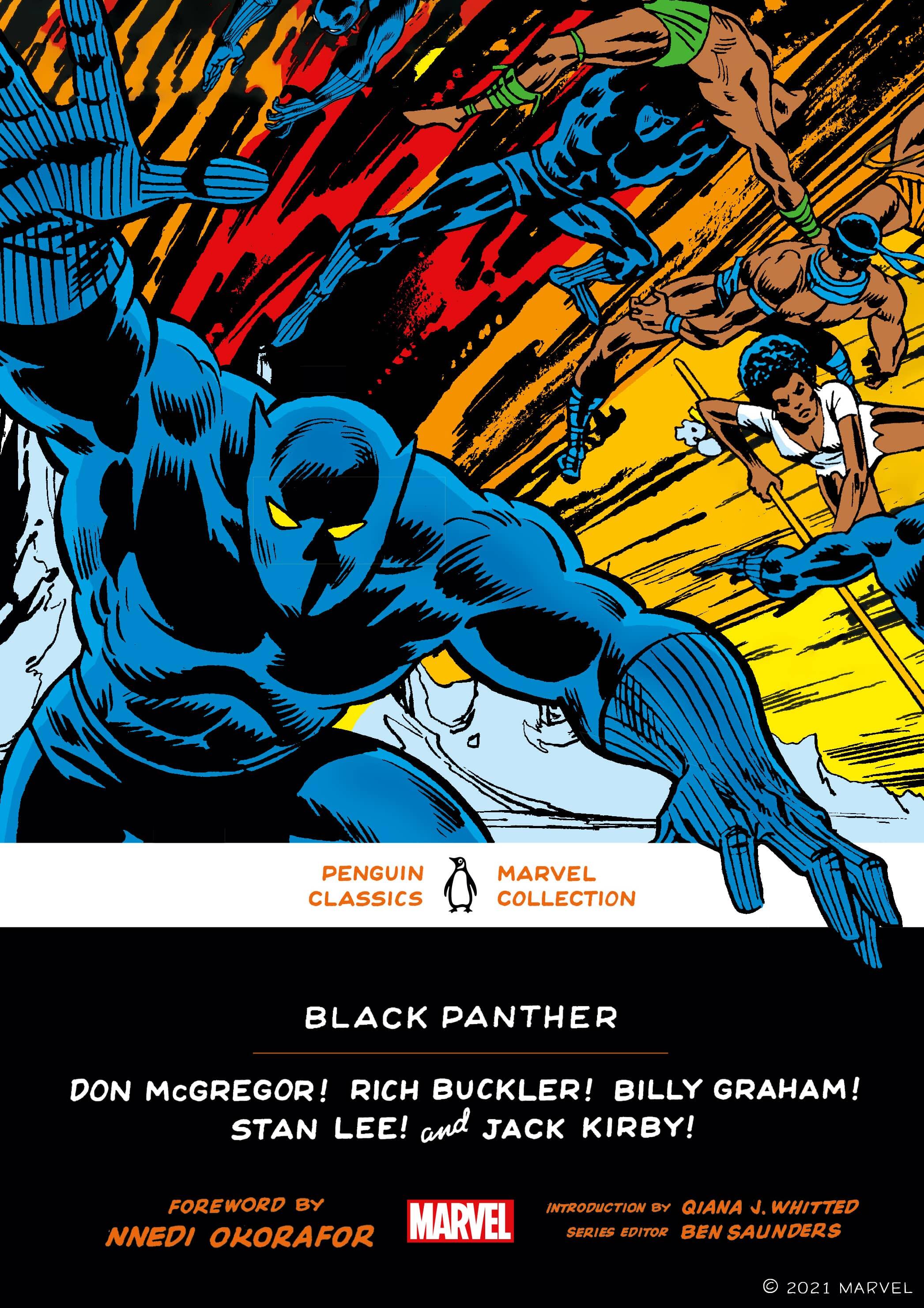
Next month, Penguin Classics is doing the seemingly unthinkable: collaborating with Marvel Comics for their first line of comics anthologies. It’s kind of a big deal and is likely cause discussions of the “whither Penguin?” variety.
I wrote about this unlikely collection for The Millions:
Largely devoid of the ironies, ruminations, and absurdities of less mainstream and traditionally “higher-brow” comics, the three entries in the Marvel Collection revolve around combat and struggle. Together, they comprise more than a thousand pages of exceptionally reproduced color panels whose artistry ranges from the merely competent to the spectacular. At many points, Black Panther, Captain America, and Spider-Man are not unlike Odysseus—tested by an array of villains, undone by their own arrogance, tempted by glory, unsure of their fates…
My review of the new graphic novel from Kristen Radtke (Imagine Wanting Only This) ran in the MinneapolisStar-Tribune:
In Jim Shepard’s recent bio-noir “Phase Six,” a character mockingly defines loneliness as “solitude with self-pity thrown in.” That line’s chilly dismissiveness would not play well in Kristen Radtke’s immersive, novelistic and intensely humanistic book-length graphic essay on the subject…
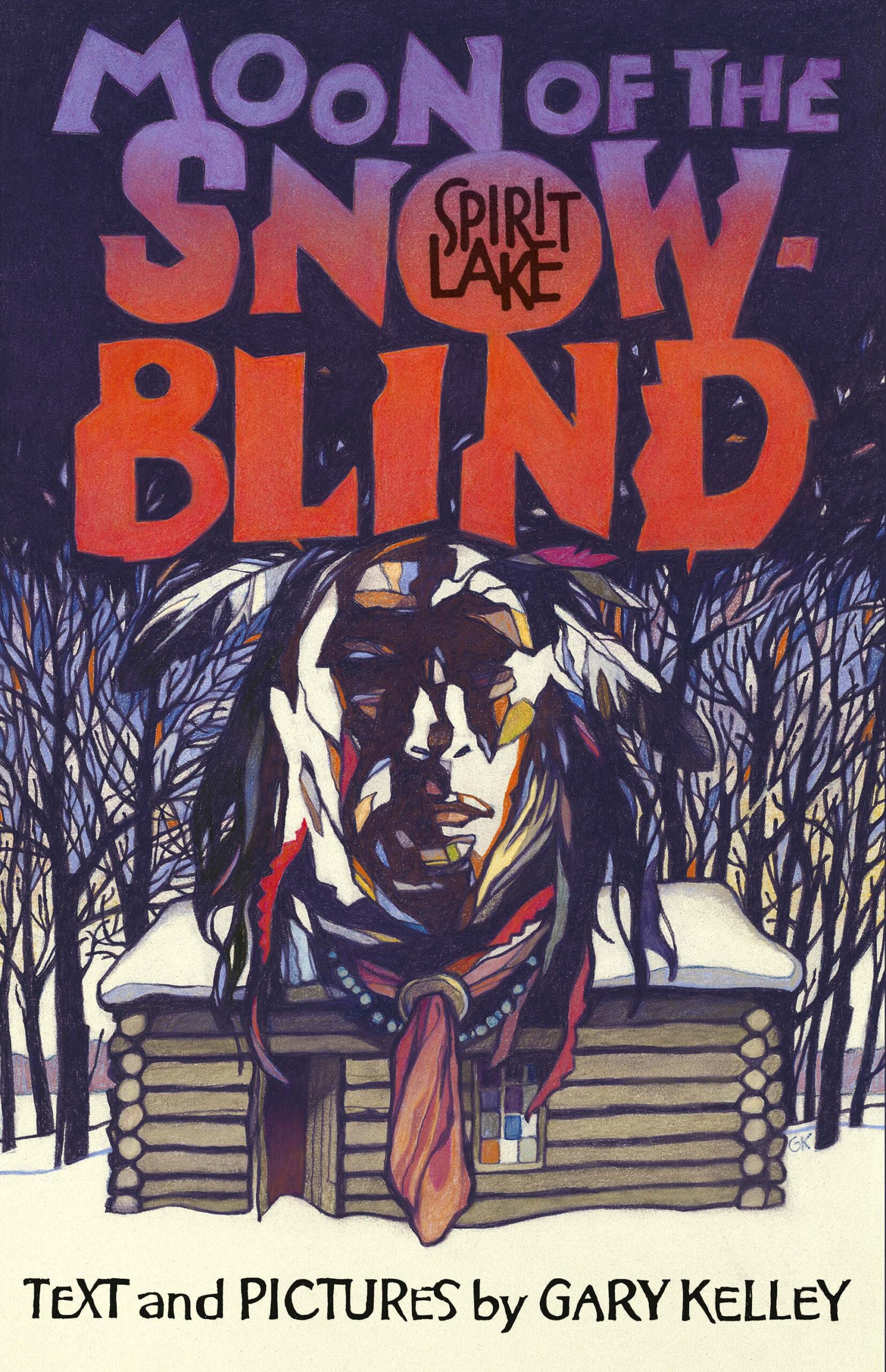
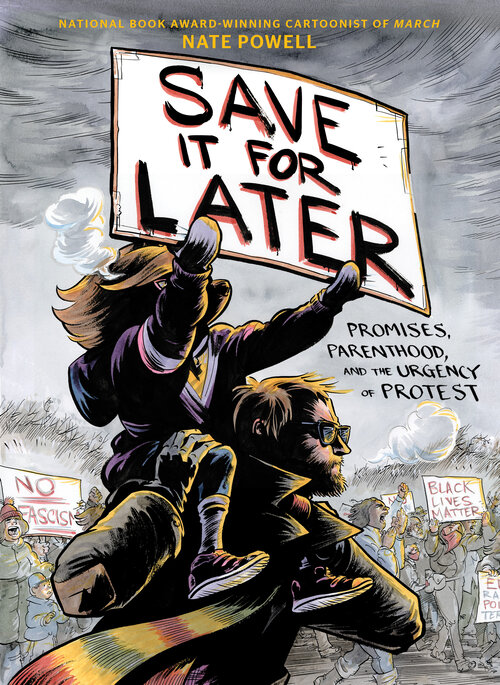
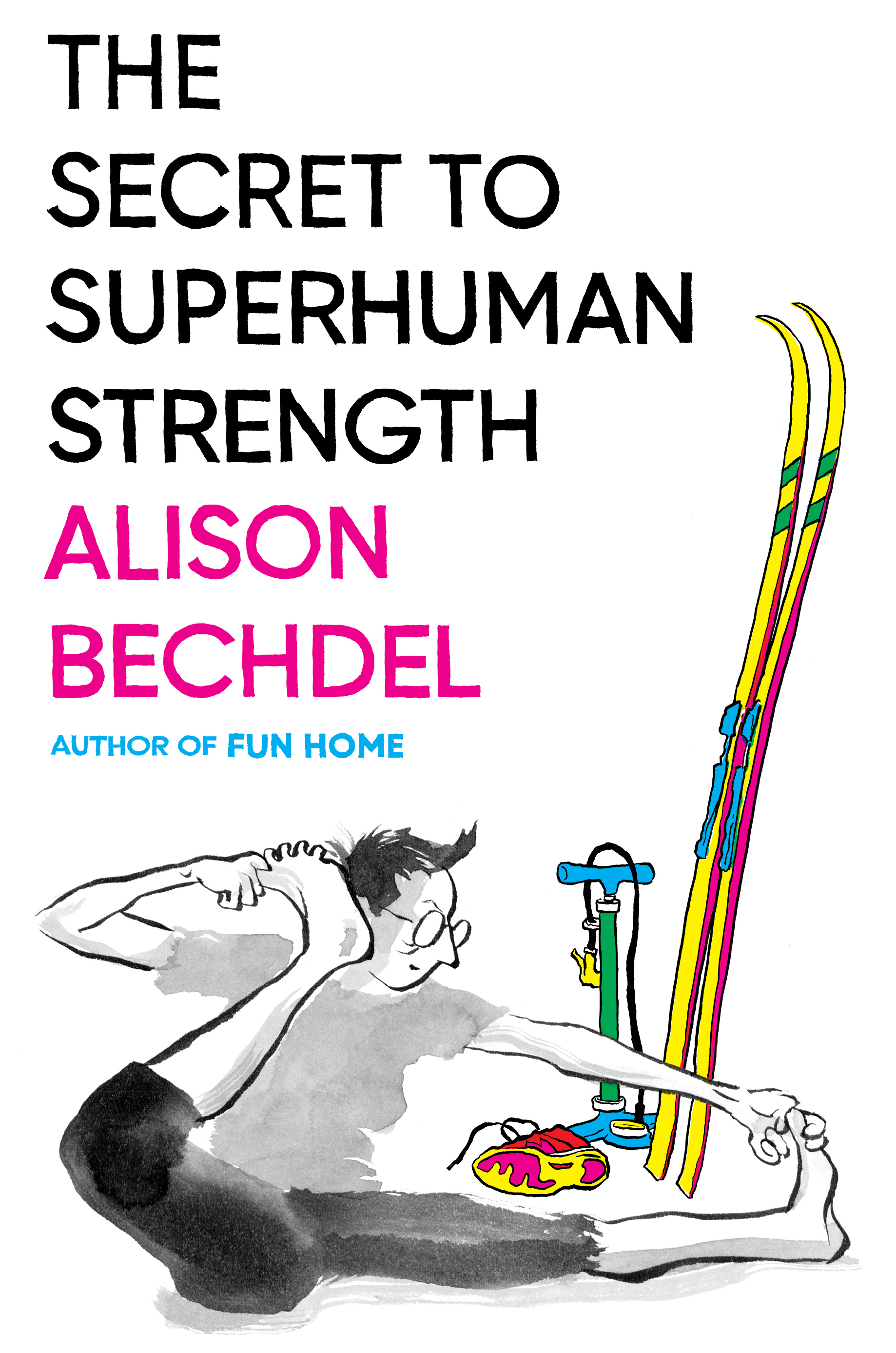
For this spring graphic novel roundup, I covered some great new works, including an adaptation of The Great Gatsby, a piercing debut about the Plains Wars from artist Gary Kelley, and the latest works from Alison Bechdel (Fun Home) and Nate Powell (the John Lewis March series).
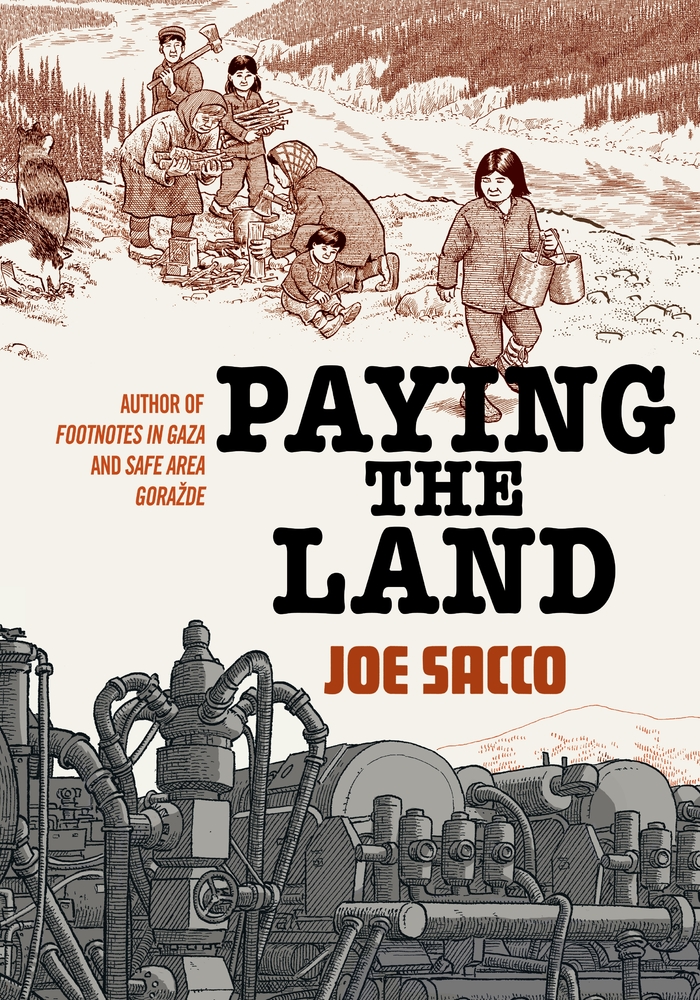
I reviewed these three incredible graphic novels — Glass Town by Isabel Greenberg, Paying the Land by Joe Sacco, and Year of the Rabbit by Tian Veasna — for the Minneapolis Star-Tribune‘s Sunday book section.
My interview with graphic novelist Noah Van Sciver, author of The Complete Works of Fante Bukowski, ran in Publishers Weekly:
You’ve written three books about Fante Bukowski, a delusional, arrogant, and slovenly character. Do you find something admirable in his belief in his own greatness?
I’m always interested in people who are obsessed with one thing, like people who become obsessed with comics history. I think it’s admirable to dedicate your life to this role. But now I have to think about it. Is he admirable? He’s dedicated to being a drunken writer [laughing]. I don’t know if that’s admirable, though…
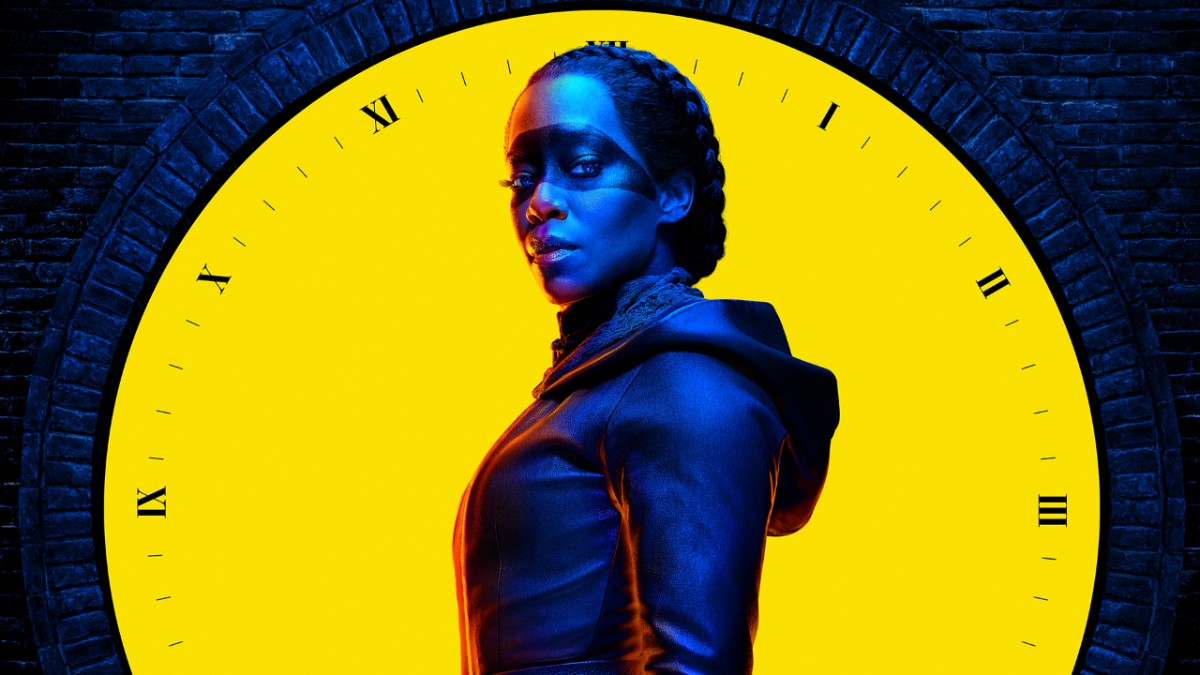
Damon Lindelof’s wonderfully strange and deeply political Watchmen series is more interested in exploring the further ramifications of Alan Moore’s groundbreaking graphic novel than producing a faithful reenactment. It’s a high-risk move but one that appears so far to be paying off.
The first episode, a direly ironic hour, kicks off in Tulsa during the 1921 massacre in which whites rampaged through the black neighborhood of Greenwood. Jumping to an alternate-historical 2019 Tulsa, Oklahoma, in which the racially-mixed police wear masks to protect their identity from a murderous white-supremacist underground called the Seventh Kavalry (for Custer’s unit decimated at Little Big Horn), the episode uses the massacre less as plot point and more as ominous overture…













 Chris Barsanti
You must be logged in to post a comment.