Writer’s Desk: Larry McMurtry

typewriter1

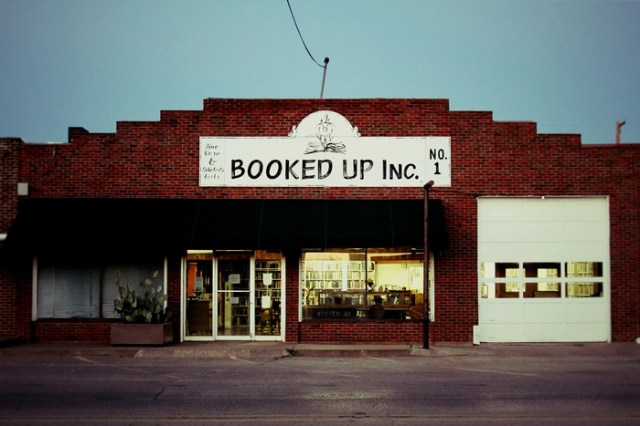
Cowboy novels, screenplays, weepies, Larry McMurtry’s written them all.  It’s a tossup as to what’s going to lead his obituary, Lonesome Dove or Brokeback Mountain, but either one is the kind of big-hearted and deeply-felt work most writers would kill to be associated with. He also runs his own bookstore, which is the sort of thing more writers should do.

A few years back, McMurtry—whose birthday was this past Friday—gave some writing advice to The Daily Beast; herewith a few selections:

  • “If you’re going to write fiction, you should read Tolstoy and the Russians; Flaubert and the French; Dickens; George Eliot; Dreiser; Twain; and on and on.”
  • “I have never mapped out a book ahead of time. It’s important to me to leave a little space for serendipity. Most of my books start with an ending. Then I go backwards and write towards the ending.”
  • “One thing I don’t do is read fiction while writing fiction. It interferes with my imagination.”

It’s difficult to imagine not reading fiction while writing it. After all, even a short novel takes most people months. That’s a long dry spell. But, then, he wrote Lonesome Dove, so probably knows a thing or two.

Screening Room: ‘Books: A Documentary’

booksdoc

This is the killer Kickstarter pitch for a new proposed film project with the can’t-go-wrong title of Books: A Documentary:

This past August over 300,000 antiquarian books from Larry McMurtry’s Booked Up were sold at auction: This is the story of those Books.

Color us intrigued.

For those not already in awe of the man, Lonesome Dove and Brokeback Mountain author McMurtry also owns one of the nation’s great used-book emporiums. He told the tale of last fall’s great blowout sale at the New York Review of Books.

booksdoc2

According to Publishers Weekly, the filmmakers (husband-and-wife Sara Ossana and Mathew Provost) have already shot about half of the doc and need $50,000 to finish it up. Ossana notes that the film, which uses McMurtry’s sale to explore the modern book landscape, might be expected to be a downbeat tale about an industry and way of life in decline:

“We weren’t sure if the film would be a moratorium, or more uplifting,” Ossana said. “It’s turning out to be more uplifting.” That, she thinks, is due to a larger cultural shift afoot in America—brought on by the country’s economic need to develop a stronger foothold in the production of goods and in manufacturing—that is driving more people to ask where the objects they have come from, whether it’s the food on their table, or the hardcover novel on their shelf. “There is a cultural awakening happening now,” Ossana explained, “around what people find valuable. I think the book is a large part of that,” she said. And, with that, Ossana thinks physical bookstores are becoming more important as “cultural centers” on the community level.

Here’s to hoping that she’s right.