

There’s nothing wrong with planning out your writing. Some people need it. Organizing things can keep you from introducing things in your first chapter that can kill plot possibilities for the conclusion if you’re not looking ahead.
Also, knocking out a detailed outline is a fantastic way to procrastinate getting any real writing done.
But avoid limiting yourself.
Roddy Doyle explains:
Change your mind. Good ideas are often killed by better ones…
Writers sometimes worry they have a limited amount of material and shouldn’t waste it. This isn’t true. If you’re meant to be a writer, the ideas will come. If you think of a better one, go with it.

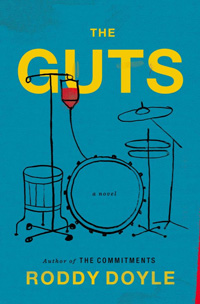 Roddy Doyle’s The Commitments was one of the great music novels of the past few decades. Published in 1989 and serving as the start for Doyle’s unofficial “Barrytown Trilogy” (also comprising The Van and The Snapper), it followed knockabout Dubliner Jimmy Rabbitte’s attempt to put together a great soul/R&B band with nothing but Irishmen. Doyle’s newest novel, The Guts, picks up with Jimmy many years on, still working with music but saddled with middle-aged responsibilities and a new problem: Cancer.
 Chris Barsanti
You must be logged in to post a comment.