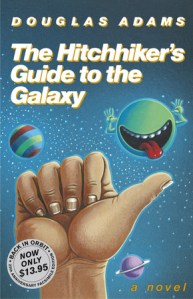
 Does this list say something about who’s using Facebook? In yet another of the listicles that they’re famous for, BuzzFeed shows the Top 20 books most beloved by Facebook users. With the exception of the number one pick (Harry Potter and the Sorcerer’s Stone?), it’s pretty much what you would expect:
- Great Modern Novels I Had To Read In School But Actually Liked (1984, The Great Gatsby)
- Books That I Read 50 Million Times As A Child And Whisked Me Away Somewhere Magical Each Time (The Lion, the Witch, and the Wardrobe, Anne of Green Gables, A Wrinkle in Time, The Lord of the Rings)
- Actual Classics That Tend Not To Be Assigned In School Anymore (Jane Eyre, Pride and Prejudice)
- Self-Help Creed Masked As Literature (The Alchemist)
- The Only Book I Read In The Past Few Years (The Hunger Games)
- Outlier (The Handmaid’s Tale, The Hitchhiker’s Guide to the Galaxy, The Bible)
 When you dig into the full dataset that Facebook made available, particularly the full Top 100 list, a few more surprises pop up. There’s a heavier sprinkling of modern YA, plus the occasional religious text (The Book of Mormon). But what’s fascinating is just how overwhelmingly genre the list is, compared to what it might have been a few years ago. Even though many mainstream readers barely know who they are, Terry Pratchett, Orson Scott Card, Alan Moore, Robert Heinlein, and Robert Jordan all make appearances here.
This begs the question: Are Facebook users geekier than the population at large, or as the percentage of adults who actually read books falls every year, are genre fans just the ones more likely to keep reading books as opposed to tweets?
Also: is it a problem that the number-one book is Harry Potter? After all, according to Scientific American, children who were read to from those books acted more compassionately afterwards.


 Chris Barsanti
You must be logged in to post a comment.