Brad Pitt tries to save his family in ‘World War Z’
In case you missed the last zombie apocalypse to come running into theaters with bloody abandon, World War Z is out today on DVD, Blu-ray, and all other home viewing media.
My review of the summer’s surprise hit (all that talk of reshoots and budget problems), Brad Pitt vs. the Flesh-Eating Undead, can be found at Film Journal International; here’s part:
Zombies are people, too. That’s one truth understood by the better stories in the genre, from Richard Matheson’s I Am Legend to Zack Snyder’s Dawn of the Dead remake. At no moment in Marc Forster’s churning and unfocused World War Z are the rampaging CGI hordes of the undead made to appear like anything more than swarming bits of computer code. Many of the human actors don’t fare much better…
The rather vague ending left a gaping opening for a sequel, which is apparently being planned right now but has not been officially greenlit yet.
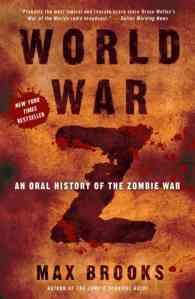
Hard as it might be for viewers of the new World War Z to believe, the book that it was based on was neither meant to be tongue-in-cheek or horror. Its author, Max Brooks (the very lucky son of Mel Brooks and Anne Bancroft), intended for the book to examine some extremely real concerns about pandemics and modern society, just as its predecessor The Zombie Survival Guide was inspired by the world’s long inattention to the AIDS plague.
In this profile for the New York Times magazine, Brooks lays out a few things that he believes differentiates himself from your run of the mill zombie writer. For one, his zombies are slow (not like in the very loosely adapted Brad Pitt film): “Brooks is an ardent believer in slow zombies. He doesn’t even want to try to comprehend how we’d deal with fast ones.” Also, he’s just normally a very scared person:
What he can’t understand is the horror fans.
“I’m not a horror fan,” he said. “I’m an anti-horror fan. I think horror fans feel deep down in the pit of their souls, they feel safe, and therefore bored. And therefore they want to be scared. I already have a baseline level of just anxiety about the world I live in,” he continued, metaphorically pushing the horror genre away from him on the table. “I don’t need to go seeking it out.”
No, his books aren’t horror, and he’s relieved that his books aren’t in the horror section. But he’s miffed that they’re in the humor section. “I would have put it in self-help. Or how-to.” He shakes his head. “I can’t think of anything less funny than dying in a zombie attack.”
The lesson here for aspiring writers of horror, zombie or otherwise, could be this: Try to terrify yourself first with what already scares you about everyday life. Don’t go looking for something absurd and unbelievable. Then worry about scaring your audience.


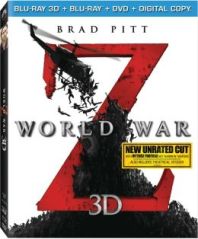 In case you missed the last zombie apocalypse to come running into theaters with bloody abandon, World War Z is out today on DVD, Blu-ray, and all other home viewing media.
 Chris Barsanti
You must be logged in to post a comment.