Born in Iran, raised in Rhodesia, and schooled in London, novelist Doris Lessing was a Nobel Prize-winner, inescapably brilliant, unclassifiable, and a world-class grump. Lessing passed away in mid-November and would have hated all the fuss being made about it. Not because she was necessarily modest, she just didn’t see the point.
There are many writers, particularly those who have received as many plaudits as she had over the years, who would have reacted with much more self-puffery than she did when hit with the news of her Nobel. From The Economist:
As she climbed slowly out of the taxi with her shopping, her grey bun coming down as usual, Doris Lessing noticed that the front garden was full of photographers. They told her she had won the 2007 Nobel prize for literature. She said, “Oh, Christ.” Then, picking up her bags, “One can get more excited.” And then, having paid the cab man, “I suppose you want some uplifting remarks.” She supplied a few later for her official Nobel interview, but still on her own terms: wearing what looked like a dressing gown and a lopsided, plunging camisole at a kitchen table overloaded with open packets of crackers and messy jars of jam.
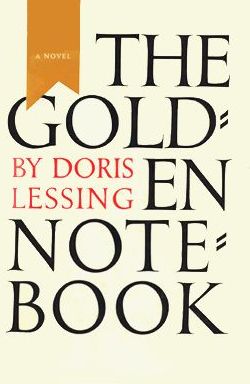
Although Lessing’s greatest work probably came later, with novels like The Good Terrorist, she was best known for 1962’s The Golden Notebook, which was seen as something of a feminist statement at the time. This from an author who had always lived as a feminist, on her own terms, but didn’t cotton to statements and pronouncements.
Again, The Economist:
As she plumped herself wearily down on the doorstep to answer questions, that Nobel morning in 2007, she seemed to show an authentic, unbrushed side to the world’s press. But the real Doris was saying, as she had every day for decades, Run away, you silly woman, take control, write.

 Chris Barsanti
You must be logged in to post a comment.