One of the greatest, weirdest films of 2012 was Paul Thomas Anderson’s The Master. Synopses don’t quite do it justice; just find it and watch it (the DVD and Blu-ray are available as of today).
The Master makes what should have been long obvious now utterly clear: Paul Thomas Anderson can lay claim to being one of the era’s few American writer/directors afflicted with greatness. It is hard to think of another home-grown filmmaker who so consistently brings such psychologically astute scripting, and ability to coax nakedly revelatory performances from actors—that classically trained eye for widescreen framing—to each film he makes. The Master may not match the level of artistry or thematic intensity seen in There Will Be Blood, but it is Anderson’s most approachable film in years, not to mention his most vividly realized characters to date…
L. Ron Hubbard conducting a Dianetics seminar in Los Angeles, 1950.
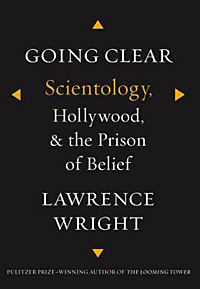
Last month, Lawrence Wright published Going Clear, his sprawling history and examination of the Church of Scientology. It’s a massive and thoughtful piece of work that could end up being the go-to work on Scientology for years to come, in the same way that Jon Krakauer’s Under the Banner of Heaven has been for the Mormon religion.
My essay on Wright’s book, “‘Going Clear’: Lawyers, Guns, Money and Scientology,” was published this week at PopMatters. Here’s an excerpt:
[L. Ron] Hubbard gathered followers to his self-improvement cause through the ‘50s and ‘60s, and money poured in. Then came the Sea Organization, or Sea Org. Starting in the late ‘60s, an increasingly disconnected from reality Hubbard became convinced that the British, American, and Soviet governments wanted to harness Scientology’s psychological insights for their own uses. With three ships under the 57-year-old Hubbard’s command, Sea Org cast off in 1967 with “no destination or purpose other than to wander” the high seas, free from government control.
Hubbard roamed the world like some maddened commodore, exciting rumors that he was an operative for the CIA, drinking heavily, fantasizing about taking over Rhodesia, and searching for a lost underwater city that only he knew about. Crewing the ships were a youthful band of believers who had signed contracts pledging themselves to Sea Org “for the next billion years.” (The last is one of many details Wright seeds the book with that beg to be taken as comedy, but ultimately can’t.)…
In addition to the history of Hubbard and the Church’s founding, Wright also digs into its celebrity aspect, particularly via the experience of Paul Haggis, writer/director of everything from Crash to various episodes of The Facts of Life.
You can read an excerpt from Going Clear about Haggis’s experienceshere.


 One of the greatest, weirdest films of 2012 was Paul Thomas Anderson’s The Master. Synopses don’t quite do it justice; just find it and watch it (the DVD and Blu-ray are available as of today).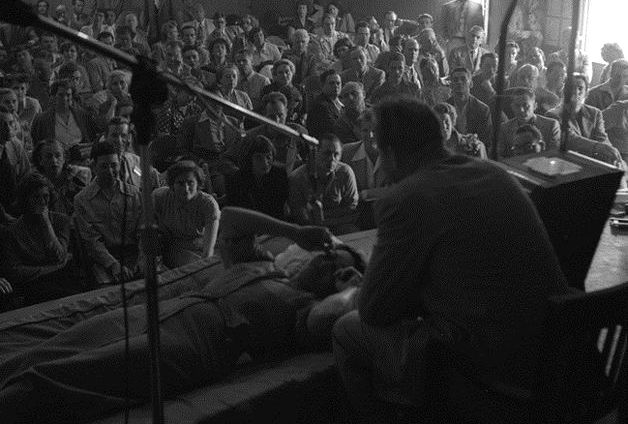
 Chris Barsanti
You must be logged in to post a comment.