Writer’s Desk: Things to Write in the New Year

Nobody likes New Year’s resolutions, least of all writers. Setting out a list of things you need to do in the next twelve months can just feel like a list of things you will forget to do. We should never forget the unique joy that comes with not doing, per the great Douglas Adams:

I love deadlines. I like the whooshing sound they make as they fly by.

Nevertheless, January is not a bad time for new thinking. The holidays are past. Work is back. The nights are long. There are too many new streaming shows to commit to. Maybe you’re dissatisfied with what you wrote last year. It’s worth thinking about trying something different.

To wit:

  • Poem. It can be (and, let’s be honest, almost certainly will be) a bad poem. But if you are not used to it, the form and the choices it forces you to make are excellent training. This can be like stretching for writers.
  • Autobiographical essay. Write five pages about something that happened in your childhood that you never told anybody about. It doesn’t need to be anything earth-shattering or more consequential than a memory of a favorite toy. Write it so that some aspect of your life can make sense to another person.
  • Joke. Standup comics riff on stage but they also painstakingly craft jokes beforehand. Write three jokes. Tell them to people. See what lands and what doesn’t. Revise.

Try none or all of these. The point is to do something that is unfamiliar. I spent the last many months in multiple nonfiction book projects. Once done with those, I will be trying to give fiction another shot. Most likely, it will never see the light of day. But then most of what we make never does.

The trying is the point. Keep trying.

Writer’s Desk: Don’t Be Afraid of the Fear

Rita Dove: An American Poet (Eduardo Montes-Bradley)

At some point it gets easier. Eventually you have written enough that the panic and indecision just disappears. At that point, the words flow like fine wine. Isn’t that how it works?

Not necessarily. Consider Rita Dove. A Pulitzer-winning poet and recipient of the National Humanities Medal, she was also the U.S. Poet Laureate from 1993 to 1995. As the poetry business goes, Dove is pretty close to its peak.

In this 2016 interview, she talks about the confidence that comes from her long career:

The process has become a lot easier because even in the depths of despair—which happens more often than people might imagine—I have the example of all the other poems I’ve written and I know I’ve been through this before, so things will probably turn out fine…

But alongside that self-assurance (I can do this. I’ve done it before) is that nagging problem every writer faces now and forever (But can I?):

I’m still terrified every time I approach a fresh page…

If you are lucky enough to be successful as a writer, don’t assume that everything will suddenly become clear. It probably won’t. But that uncertainty, the not knowing, that’s where creation lives.

The Writer’s Year 2025 calendar is on sale now.

Writer’s Desk: Ask Questions

Pulitzer Prize-winner and former Poet Laureate of the United States Tracy K. Smith isn’t the kind of versifier who aims for small targets.

As Smith told Oprah Daily, her work can generally be broken down into attempts to answer a few basic yet crucial questions:

“Who are we to one another?”
“What do we do to one another?”
“What’s the fallout from that?”

Start out interrogating any or all of those ideas and you will never run out of material.

Reader’s Corner: Poetry in Bed

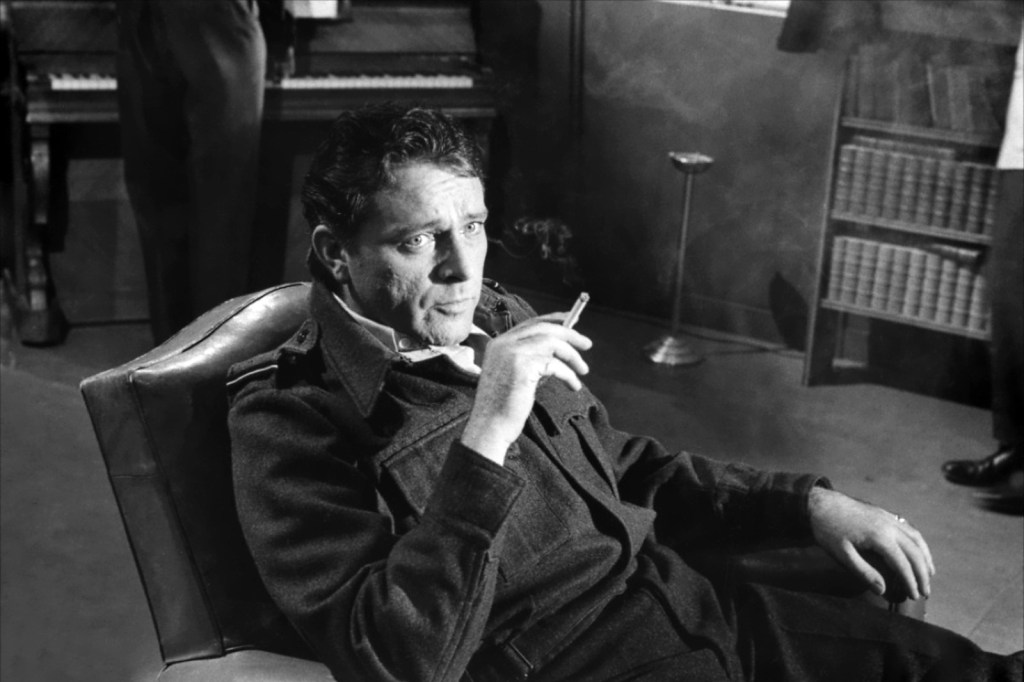
The deadly debonair Welsh actor Richard Burton may have made his living as an actor but his true love was reading, particularly poetry. The range of authors who “corrupted” him ranged from Shakespeare to Proust and Hemingway:

But mostly I was corrupted by Dylan Thomas. Most people see me as a rake, womanizer, boozer and purchaser of large baubles. I’m all those things depending on the prism and the light. But mostly I’m a reader…

In Gabriel Byrne’s lyrical new memoir Walking with Ghosts, he describes drinking with Burton after a grueling day of shooting a big costume drama in Venice. In between ruminations on their craft from a jaded veteran (“I’ve done the most appalling shit for money”), Burton rhapsodizes about his true love:

Poetry, the sound and music of words sooth me, always have. And books. Home is where the books are, he said. What I’ve always rather wanted was to be a writer, perhaps it’s too late now. I’m at an age, he said quietly, when I fear dying in a hotel room on a film.

Byrne notes that Burton’s fear did not come to pass:

He didn’t die in a hotel room but at home in bed, halfway through a volume of the Elizabethan poets.

Writer’s Desk: Follow the Scent

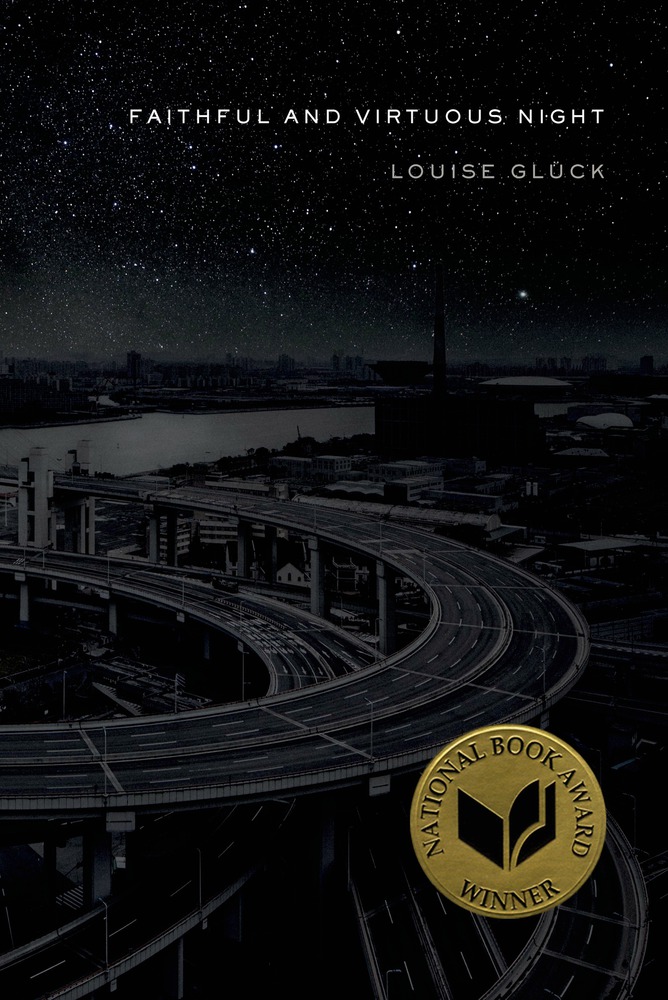
Here is Louise Glück telling Poets & Writers about her process:

When I’m trying to put a poem or a book together, I feel like a tracker in the forest following a scent, tracking only step to step. It’s not as though I have plot elements grafted onto the walls elaborating themselves. Of course, I have no idea what I’m tracking, only the conviction that I’ll know it when I see it.

One might imagine it’s actually better for the writer when they have no idea what they will find.

Writer’s Desk: Who Cares What They Say

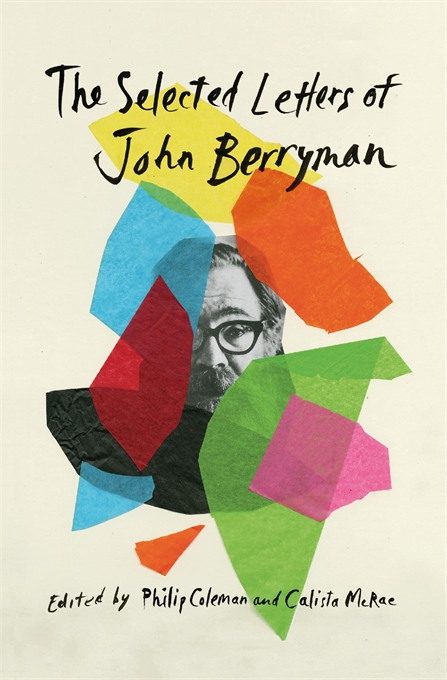
The ineffably brilliant John Berryman was never a popular poet. But those who know his work tend to be, shall we say, highly committed to singing his praises. His style was raw and jangled, symphonic and bluesy, the sort of thing that hits you in the heart and makes you imagine everything terrible and beautiful in the world.

Of course, that also makes him not everybody’s cup of tea. His advice to young writers who are trying to make a go of it, and facing some resistance?

I would recommend the cultivation of extreme indifference to both praise and blame because praise will lead you to vanity, and blame will lead you to self-pity, and both are bad for writers.

The Paris Review

Writer’s Desk: Love Words More Than Your Voice

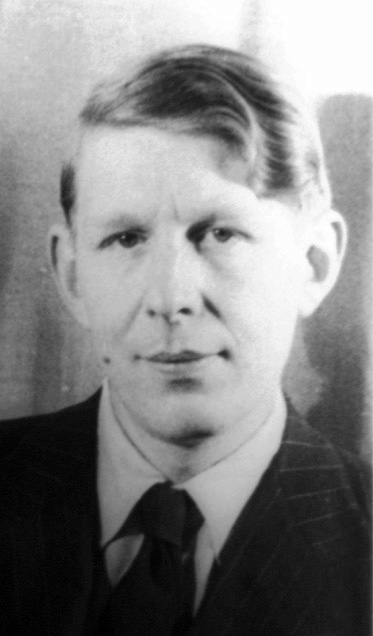
AudenVanVechten1939
W. H. Auden (c. 1939)

According to legend, or at least a book with the lilting title How Does a Poem Mean?, W. H. Auden was once asked what advice he would give to a young poet. Auden responded that if he asked the young poet why they wanted to write and the answer came back that they thought they had something important to say, Auden’s conclusion was that there was no hope.

However, Auden went on to say that if the answer came back as “I like to hang around words and overhear them talking to one another,” then he thought the young poet might have promise after all.

Following Auden’s line of thought, you could say that if you start with a love of words, their flow and shading and endless permutations, you might get to somewhere important. But starting in grandiloquence will get you nowhere.

Writer’s Desk: Rely on Your Instincts

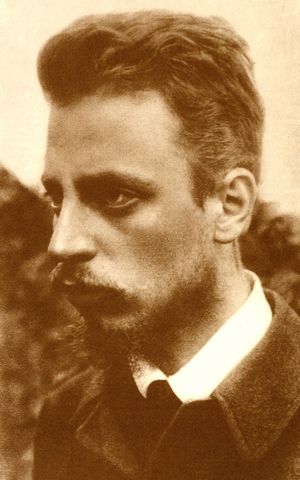
Rilke in 1900
Rainer Maria Rilke

In Letters to a Young Poet (1929), Rilke corresponded with Franz Xaver Kappus, a young poet who was not sure whether or not to go ahead with a career in the arts or to stick with the Austrian military. It seems clear that anybody seriously considering those two paths in life would not be well-suited for a lifetime of uniformed service, but Rilke took the query seriously.

Commenting on some poems that Kappus had sent and some questions about their worth, Rilke had this to say:

You ask whether your poems are good. You send them to publishers; you compare them with other poems; you are disturbed when certain publishers reject your attempts. Well now, since you have given me permission to advise you, I suggest that you give all that up. You are looking outward and, above all else, that you must not do now. No one can advise and help you, no one.

Feedback is necessary, particularly when it helps writers overcome blocks or be more attentive to flaws that escaped their notice in the first draft. But waiting for acceptance from the outside world or permission to continue on is a fool’s errand. Better to follow Rilke’s advice to dig deep, find a reason, and write as though it were your last day on Earth:

Go within. Search for the cause, find the impetus that bids you write. Put it to this test: Does it stretch out its roots in the deepest place of your heart? Can you avow that you would die if you were forbidden to write? Above all, in the most silent hour of your night, ask yourself this: Must I write? Dig deep into yourself for a true answer. And if it should ring its assent, if you can confidently meet this serious question with a simple, “I must,” then build your life upon it. It has become your necessity. Your life, in even the most mundane and least significant hour, must become a sign, a testimony to this urge.

Writer’s Desk: If You Cannot Sleep…

Leonard Cohen, 2008 (Rama)

Sometime in the 1960s, Leonard Cohen inscribed one of his early poems (or at least the title) on the wall of a cafe in Montreal.

“Marita, Please Find Me, I Am Almost 30” is a beautiful, heartsick piece that threads the love of creation through a desolate sadness. In other words, it expresses precisely the type of temperament that people normally ascribe to melodramatic artistic types.

But take note of this:

but when I couldn’t sleep
I learned to write
I learned to write
what might be read
on nights like this
by one like me

and just try not feeling and seeing yourself in that moment of joyful, rending creation.

Writer’s Desk: Don’t Worry About Being Original

All writers want to stand out. How do you make a name otherwise? But it’s also easy to tie yourself up in knots worrying about it.

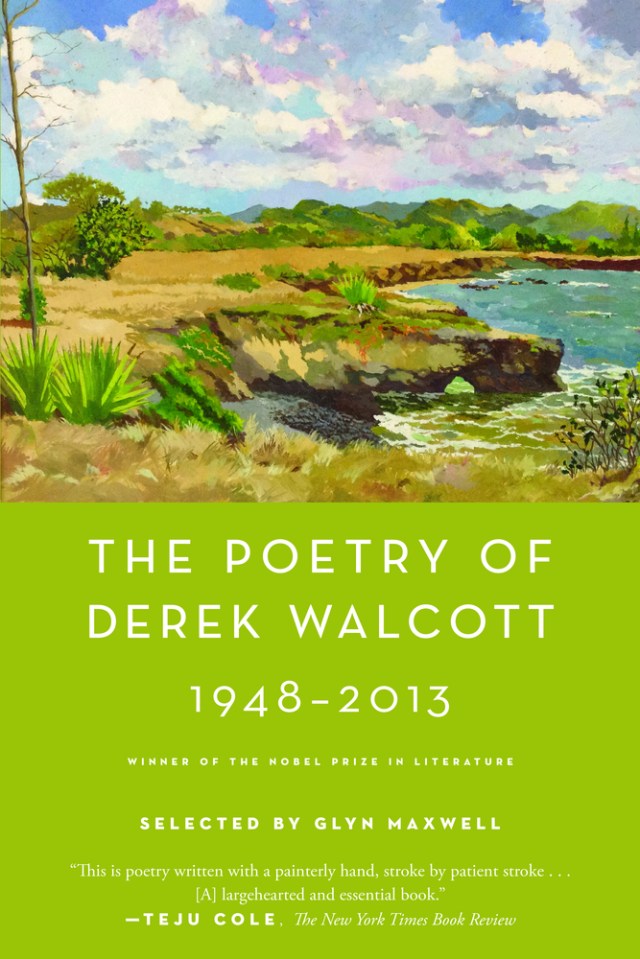
Poet Derek Walcott, who was never anything but original, dismissed such worries in his essay “The Muse of History“:

We know that the great poets have no wish to be different, no time to be original, that their originality emerges only when they have absorbed all the poetry which they have read, entire, that their first work appears to be the accumulation of other people’s trash, but that they become bonfires, that it is only academics and frightened poets who talk of Beckett’s debt to Joyce… We are all influenced by what we have read…

Own it, but earn it.

Do as Walcott says, and make a bonfire from the trash of the greats.

Writer’s Desk: Something Every Day

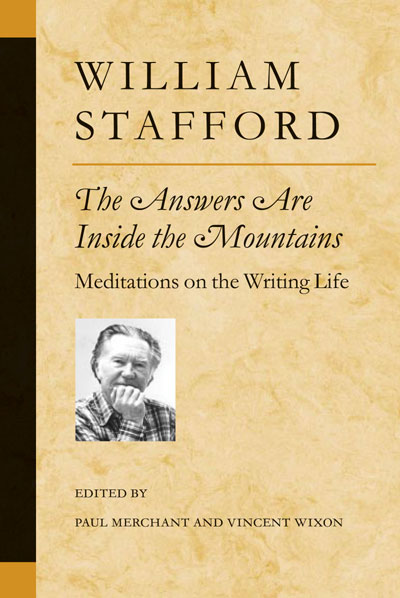
The poet William Stafford (1914–1993) had a fairly disciplined four-part approach to his daily writing task.
But the key element to his process is the last, where he advises this:
For this day, again, you give yourself a chance to discover worthy things. Nothing stupendous may occur… but if you do not bring yourself to this point, nothing stupendous will happen for sure… and you will spend the balance of your day in blind reaction to the imperatives of the outer world — worn down, buffeted, diminished, martyred.
Get something down on paper each and every day. Leave yourself open to something wonderful. Or terrible.
You can edit later.