

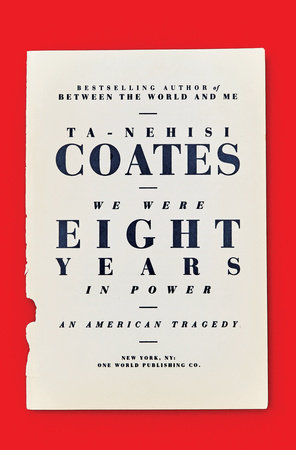
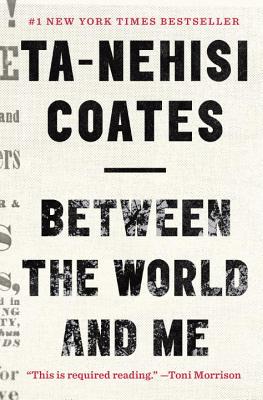
In a recent piece for the New Yorker that ranged from George Orwell’s Why I Write to Ta-Nehisi Coates’ new book The Message, Jay Caspian Kang grapples with a problem that can bedevil some of us who make words as a vocation: How much does our writing matter, and should it?
Writers, dramatic and vain by nature, seem particularly ill-suited to offer wisdom. Perhaps there are some lessons to be gleaned from a lifetime of reading and typing, but if they exist they’ve mostly hidden themselves from me. Call me a cynic, but I’ve grown to see writing as a vocation that should be performed dutifully, with ample amounts of irony and self-deprecating humor. This isn’t to say that writing can’t influence politics or provide hope, but I am not sure that anyone can really set out to achieve that goal. Our job is to type…
Kang is not arguing that writing cannot be used to advance a larger purpose. Drawing on a talk he once heard from George Saunders, Kang posits that when writing, “you type, tie it together, and hope that, more often than not, something resonates.”
The trap that writers can set for themselves, Kang believes, is setting expectations for their work which exceeds their abilities:
I do not think it is the job of writers to “save the world,” nor do I think they should set out to do so—not out of any objection about the sanctity of art for its own sake but, rather, because the pressure to always be political, significant, or weighty leads to leaden, predictable prose…
Do good work. Hope that this will resonate and connect with readers in a way that enriches them and even broadens their perspective.
Just do not expect to change the world.




 Chris Barsanti
You must be logged in to post a comment.