Shameless Self-Promotion: ‘The Writer’s Year 2026’ on Sale Now

The second edition of my calendar for Workman, The Writer’s Year: 365 Days of Inspiration, Prompts, and Quotes is now on sale! Think of it when shopping for that friend or relative who has always talked about being a writer but needs a push. Or take a look when stalled on your own project (shopping for writing calendars is a superb procrastination technique).

Each day of The Writer’s Year comes with a bit of inspiration from a great author, like this from Leslie Jamison:

With each project, you eventually have to surrender the perfect version of the work to make room for what you actually create.

There are also exercises to get the words flowing:

Start a flash fiction story (300–1,000 words) with this line: “Down the slope and across the valley they rode.”

And also stories about how writers overcame an obstacle or lack of confidence:

Comedian, essayist, and all-around exemplar of drollery Stephen Fry was once three chapters into a new novel, Revenge, when he found himself in a “pickle.” He realized too late that the story he was so pleased with was quite similar to The Count of Monte Cristo. Fry calmed down once he discovered that Alexandre Dumas’s storyline was reworked from a popular contemporary urban legend. Happy that “Dumas pinched the story, too,” Fry went ahead and finished his book, changing his character names to anagrams of Dumas’.

Buy it now from Workman, Barnes & Noble, Amazon, or your local indie.

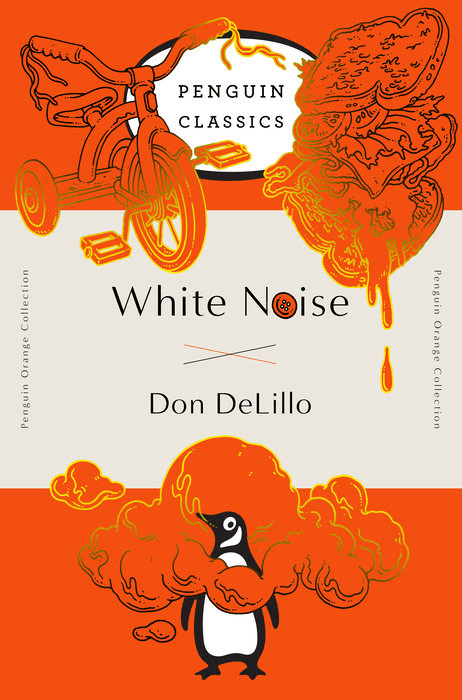
Writer’s Desk: Don DeLillo on Not Wasting Time

Don DeLillo has famously regimented writing habits. Every day at the desk, with two long segments broken up by a run to clear his mind. Not a bad way of going about things, for anybody who has the ability to maintain that kind of 9-5 schedule, but also not the sort of thing that every writer has the time for.

In this Paris Review interview, though, DeLillo points out something he strives for which every writer can try for:

No snack food or coffee. No cigarettes—I stopped smoking a long time ago. The space is clear, the house is quiet. A writer takes earnest measures to secure his solitude and then finds endless ways to squander it. Looking out the window, reading random entries in the dictionary…

Staring out the window is nice but doesn’t put words on the page. Time is a commodity. Don’t waste it.

Snacks are nice, though.

Writer’s Desk: Listen to Advice

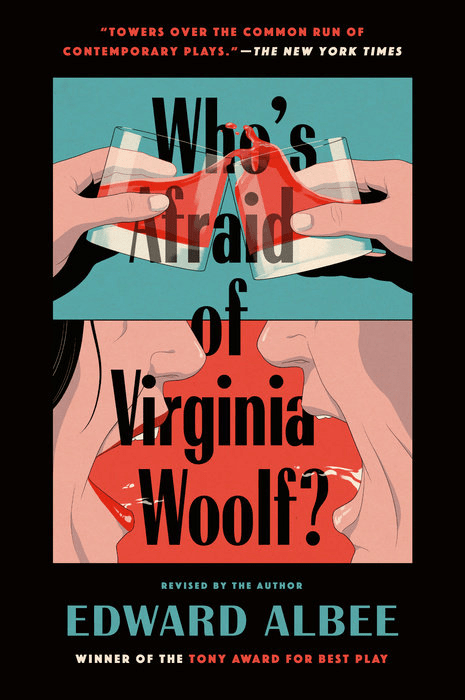
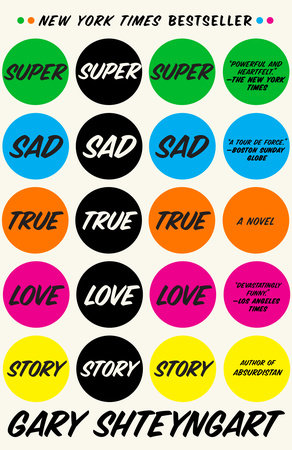
When Gary Shteyngart met Philip Roth, the unofficial dean of American letters had some advice for him:

He told me not to eat butter…

This may not seem that helpful at first glance. But Shteyngart saw a silver lining:

I’m not sure that counts as “writing” advice, but it’s kept me squarely in the 128-132 pound zone, which has made me super-hungry as a writer…

Listen to what the Roths of the world tell you if you’re lucky enough to be around them when they dispense their advice.

Even when it makes no sense.

Screening Room: ‘Gazer’

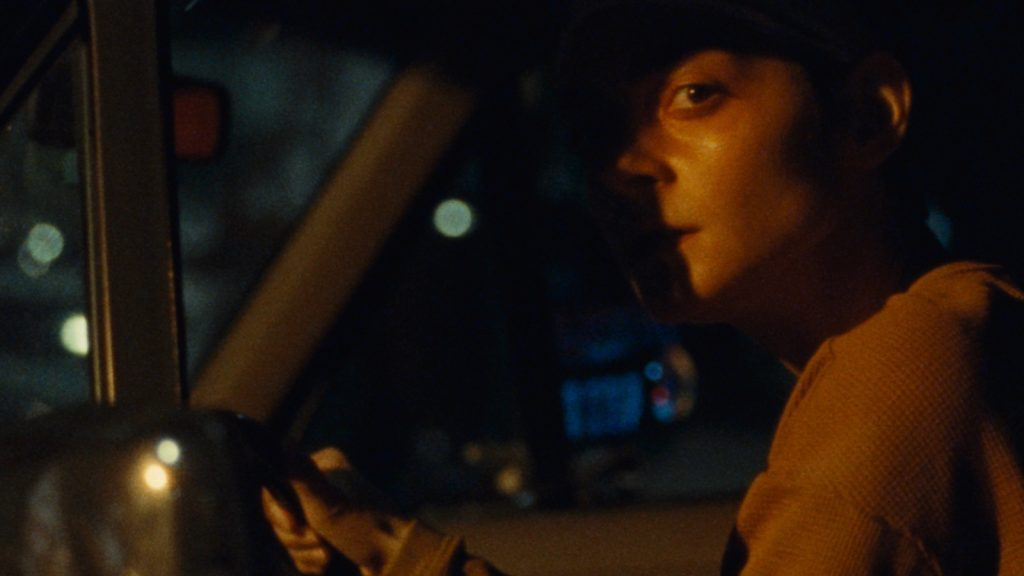
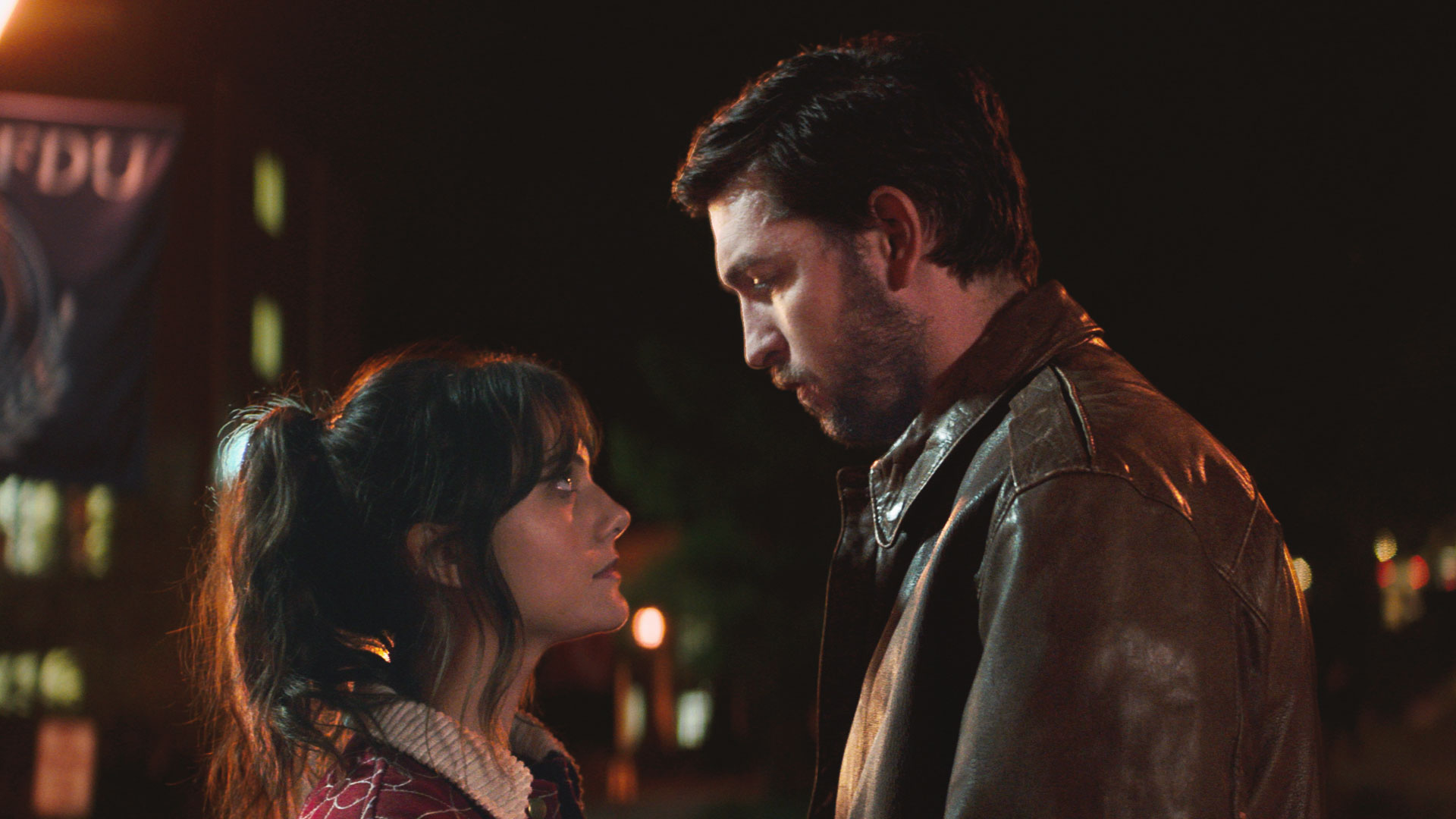
My review of the new film Gazer is at Slant Magazine:

Located somewhere near the intersection of The Conversation and Memento, Sloan’s feature-length directorial debut marries the former’s obsession with watching to the latter’s meditations on the nature of perception. Like both films, it jolts the wandering, obsessive nature of its main characters with an interruption of violence and sews confusion throughout…

The trailer is here:

Writer’s Desk: Keep Moving

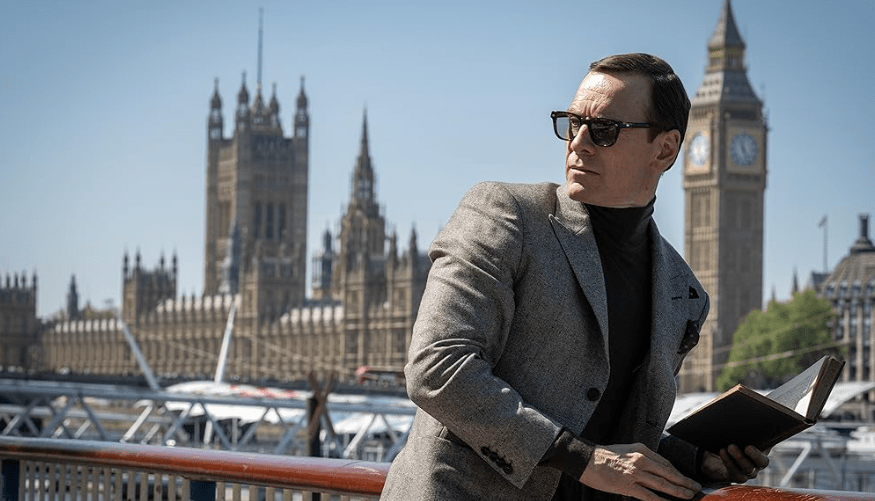
‘Black Bag’ (scripted by David Koepp)

According to screenwriter writer David Koepp, who has knocked out screenplays for everything from blockbusters like Jurassic Park to nifty little ghost stories like Presence, momentum is key to getting anything done and done well:

You want to just execute it and have it done, so you can then go back and read it to see what’s lacking. Some days you’ll write seven or eight pages that you just cut the next day because you’re finding the story. It’s part of the process…

Just get it on the page. Write now. Cut later.

Writer’s Desk: Listen to Everything

(Bikram Bezbaruah)

Part of a writer’s job is capturing the world around them. This includes paying attention to physical things from landscape and weather to clothing and food.

But it also means listening to people. All of them.

  • Daniel Handler (aka Lemony Snicket): “Eavesdrop and write down what people say. You think you’ll remember everything you hear, but you won’t. So write it down.”
  • Josh Sippie: “There is nothing that you overhear someone saying that can then become “unrealistic” dialogue, or an unrealistic way to speak. It’s as real as it gets.”
  • Christopher Isherwood: “I am a camera, my shutter open, quite passive, recording, not thinking.”

Go ahead and eavesdrop. It’s research.

Writer’s Desk: Kill Your Adjectives

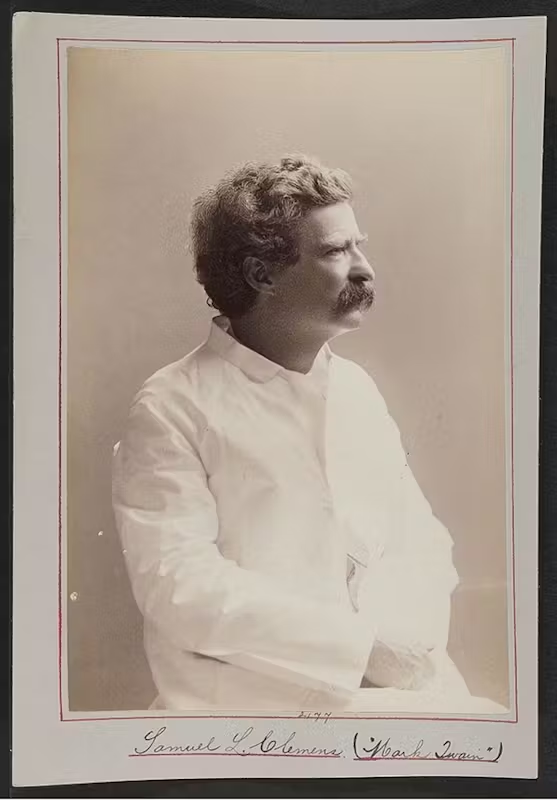
America’s greatest aphorism factory since Ben Franklin, Mark Twain had a lot to say about a lot of things. Since he was a pretty efficient writer, supposedly averaging about 1,400 words a day, Twain thought a lot about the mechanics of his craft.

One of his most frequently quoted pieces of advice came in a letter where he argued for simplicity:

I notice that you use plain, simple language, short words and brief sentences. That is the way to write English – it is the modern way and the best way. Stick to it: don’t let fluff and flowers and verbosity creep in. When you catch an adjective, kill it…

That’s where the quotation usually ends. But Twain goes on:

I don’t mean utterly, but kill most of them – then the rest will be valuable. They weaken when they are close together. They give strength when they are wide apart…

Keep it simple. Avoid excess description when you can. Get to the point. But avoid being too strict about it.

The English language is a lovely tangle of a garden. Don’t be scared of leaving the path and getting lost in the mess now and then.

Writer’s Desk: Umberto Eco’s Rules

Umberto Eco was the kind of writer many aspire to become. Witty, pugnacious, ridiculously well-read, and generally up for anything, whether it was an ornately detailed conspiracy theory, heavily researched mystery novel, or punchy political essay.

Given that, he had a lot to tell other writers about their craft, even if he failed to follow his own advice. Here are a few of Eco’s rules for writing, delivered with tongue planted firmly in cheek:

  • “A complete sentence should comprise.”
  • “Avoid clichés: they’re like death warmed over.”
  • “No plurale majestatis, please. We believe it pompous.”
  • “Don’t write one-word sentences. Ever.”

Writer’s Desk: Shock is Easy

This is Denise Levertov in 1960:

I do not believe that a violent imitation of the horrors of our times is the concern of poetry. Horrors are taken for granted. Disorder is ordinary. People in general take more and more “in their stride” — the hides grow thicker. I long for poems of an inner harmony in utter contrast to the chaos in which they exist. Insofar as poetry has a social function it is to awaken sleepers by other means than shock…

It was a time filled with art that strove very hard to épater les bourgeois. You still see the desire today, and for sometimes good reason. The moment people start thinking they know what art should be doing or saying, it’s a good time to shake things up.

At the same time, as Levertov says, shock is more likely to leave calluses than epiphanies.

(h/t Maria Popova)

Writer’s Desk: Three Words About Narrative

Over the course of a rumination about Orson Welles’ late masterpiece F for Fake (which is always worth pinning an essay or two on), Emily St. James breaks down narrative into just three concepts:

But: This introduces the idea of opposition. The hero has done something, but the villain has done something to oppose it.
Therefore: This introduces the idea of progression. The hero has done something, and therefore the world adjusts to her actions (usually with some new struggle the hero must overcome).
Meanwhile: This introduces the idea of parallelism, of two things happening at the same time, so we can always cut to something else. The hero is saving the world. Meanwhile, her friend is off dealing with the fallout.

Choose one. Write a story using that concept.

Off you go.

Screening Room: ‘The Crime is Mine’

The Crime is Mine (Music Box Films)

Francois Ozon’s absolutely smashing new movie, The Crime is Mine, opens in late December.

My review for Slant Magazine is here:

François Ozon’s fizzy comedy The Crime Is Mine, a loose adaptation of Georges Berr and Louis Verneuil’s 1934 play Mon crime, begins with murder, poverty, and a suicide threat. But the film delivers this material with such a bubbly optimism that it wouldn’t be a surprise if the cast broke into a choreographed number from Gold Diggers of 1933

Here’s the trailer:

Writer’s Desk: Stress, Anger, and Curiosity

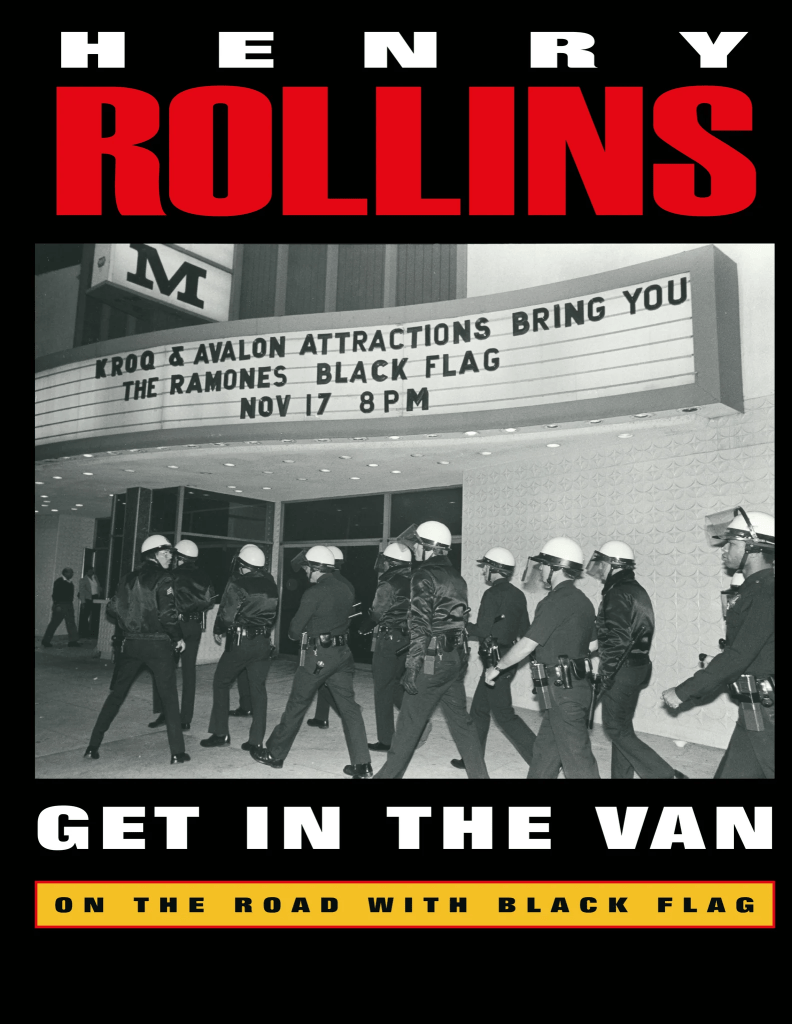
As anybody who has followed Henry Rollins over the years knows, he is just as much a writer as he is punk rock frontman. Having penned everything from poetry and music criticism to travel essays over the years, he has put out a pretty solid body of work, not to mention his own publishing company.

He also has advice for the striving creatives out there:

Stress is good — too much is not good, but [just enough] stress keeps the snare drum’s skin tight. I would go the harder route because you get better scars and your nose looks better when it’s bent and your stories are better…

And:

I’m driven primarily by two things: anger and curiosity … [it] makes me want to do stuff and live vigorously…

Screening Room: Sundance Film Festival

Every January it’s the same. You’re still trying to catch up on the November and December releases, and then there are the Golden Globes and the Oscars to dissect, and then comes the Sundance Film Festival with a whole load of new work that’s clamoring for attention.

I covered a few of this year’s offerings for Slant:

  • Cat Person: A college student goes against her instincts to date an older, odd man who claims to have cats. An adaptation of the viral 2017 New Yorker story.
  • Shortcomings: Randall Park’s directorial debut is a witty adaptation of Adrian Tomine’s 2007 graphic novel about love and loathing.
  • You Hurt My Feelings: Nicole Holofcener’s latest urbane comedy stars Julia Louis-Dreyfus as an author whose feelings are, yes, hurt when finding out her husband doesn’t like her new book.

Writer’s Desk: Teach What You Practice

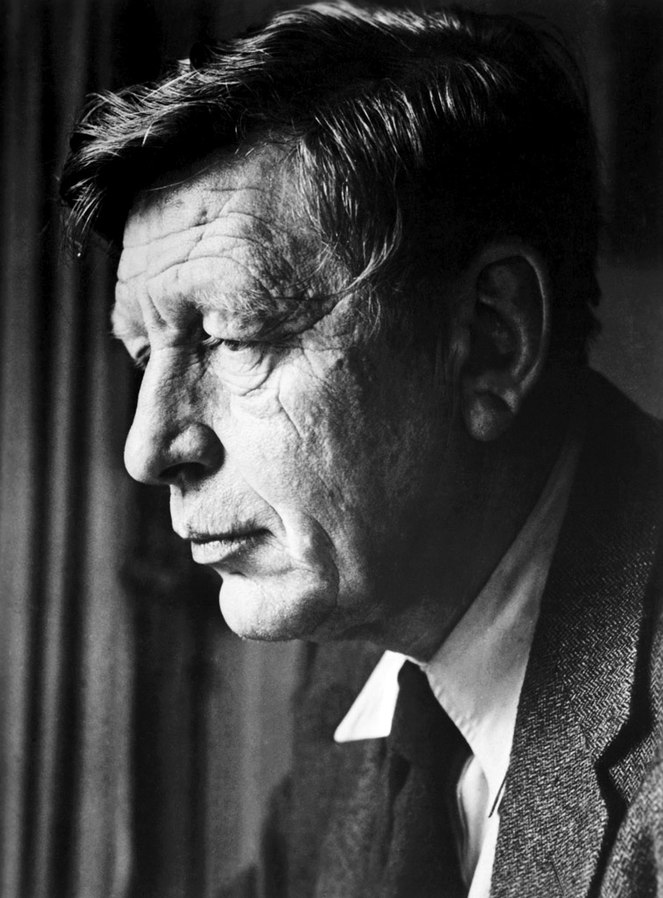
W.H. Auden might be lionized today, but like most writers he never made a great living. Verse tends not to pay the bills.

But teaching about verse can. Or giving talks. Even writing about writing.

This Auden knew:

It is a sad fact about our culture that a poet can earn much more money writing or talking about his art than he can by practicing it.

Sad fact or not, there are worse ways to pay the bills.